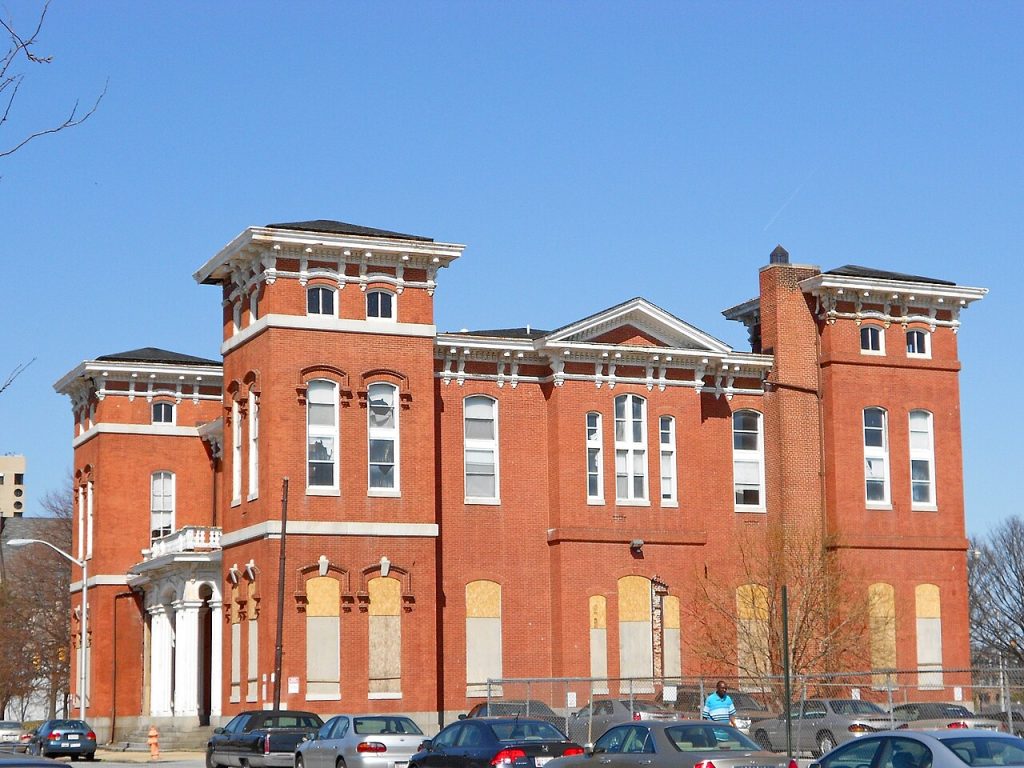
There is a building in the Mount Vernon neighborhood of Baltimore that most people walk past without a second glance, and every time I think about that, it genuinely saddens me. Tucked just north of the cultural corridor on St. Paul Street, the Lovely Lane Museum & Archives sits inside a magnificent Romanesque Revival sanctuary that was designed by Stanford White — yes, that Stanford White — and completed in 1887. It is, without question, one of the most architecturally stunning and historically layered spaces in the entire city, and it is waiting for you to discover it.
The museum is housed within the First United Methodist Church of Baltimore, which holds a remarkable distinction: it is considered the mother church of American Methodism. John Wesley’s movement took formal root here, and the building itself was constructed to honor that legacy. But you do not need to be a religious historian — or even remotely religious — to find this place completely captivating. The architecture alone is worth the visit. Step inside and look up. The circular sanctuary, with its soaring dome and warm amber tones, feels almost cinematic. Natural light filters through in ways that make your camera work harder than usual, and the acoustics carry even a whispered conversation with surprising clarity.
The museum and archives occupy a dedicated wing of the complex and house an impressive collection of Methodist artifacts, portraits, documents, and ecclesiastical objects that span nearly three centuries of American religious and social history. There are portraits of circuit-riding preachers, delicate communion sets that crossed the Atlantic, and handwritten correspondence that puts you in direct contact with the people who shaped a significant thread of American life. The archivists are genuinely passionate about the collection and happy to talk through what you are looking at, which transforms a quiet browse into something much more engaging.
What I find most compelling about Lovely Lane is how it refuses to feel dusty or overly reverent. The staff welcome curious visitors — not just scholars or the devout — and the combination of the museum with the sheer beauty of the Stanford White building gives the experience a texture you rarely find in Baltimore’s more prominent institutions. It is intimate in a way that the major museums simply cannot be.
Admission is modest and the museum is open on weekday mornings and early afternoons, with Saturday hours as well, though I always recommend calling ahead to confirm. Parking is available on surrounding streets, and the location puts you within easy walking distance of the Walters, the Washington Monument, and several excellent lunch spots along Charles Street.
If you are building a Baltimore itinerary that goes beyond the waterfront and looks for the quieter, more layered stories this city holds, put Lovely Lane near the top of your list. It is the kind of place that stays with you long after you leave.