
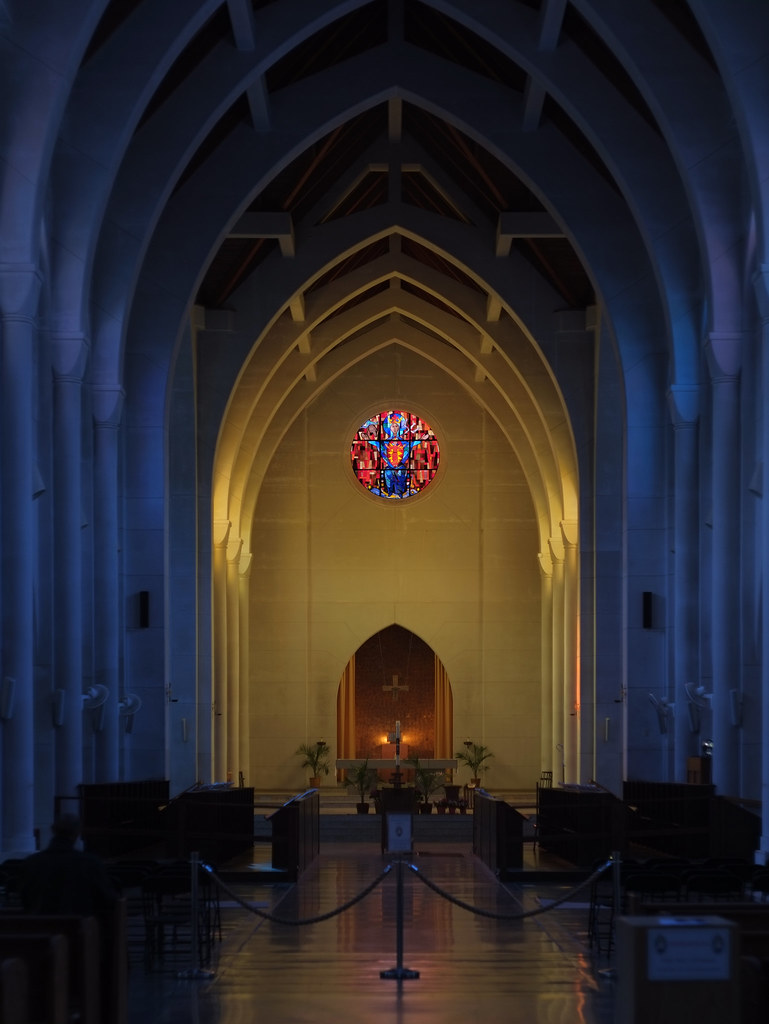
About thirty miles southeast of Atlanta’s downtown skyline, somewhere between the suburban sprawl of Conyers and a Georgia I didn’t know still existed, there is a place that stops time. The Monastery of the Holy Spirit sits on 2,300 acres of rolling land, pine forest, and serene open fields — and from the moment you turn off the highway and follow that long, quiet drive toward the Gothic church tower rising above the tree line, you understand that you’ve arrived somewhere genuinely different.
Founded in 1944 by Trappist monks who made the journey south from Kentucky, the monastery has been a working religious community for more than eight decades. The monks live by the Rule of Saint Benedict — prayer, work, and contemplative silence — and the grounds carry that spirit in every direction you look. But here’s what surprises most first-time visitors: this is not a closed or unwelcoming place. The monastery actively invites the public in, and the experience of spending even two or three hours here is quietly transformative.
Start with the Abbey Church itself. The soaring interior, built by the monks with their own hands over many years, is open for visitors during designated hours. The architecture alone — vaulted ceilings, stained glass catching afternoon light, simple wooden choir stalls — makes it one of the most beautiful interiors in Georgia. If your timing is right, you can sit quietly during one of the daily chanted prayer services. The sound of Gregorian chant filling that space is something you won’t find anywhere else in the Atlanta metro area.
After the church, make your way to the monastery’s visitor center and gift shop, where the monks sell goods they produce themselves: bonsai trees that have been cultivated with extraordinary patience, stained glass artwork, fruitcakes and fudge made on site, and a thoughtful selection of books and religious art. The bonsai operation in particular is remarkable — the monks have been growing and shaping these trees for decades, and the greenhouse is open for browsing. Walking through it feels meditative in itself.
The grounds around the monastery are open for quiet walking, and the lake and wooded paths offer a peaceful hour of reflection or simply a break from the noise of the city. There are retreat facilities available for those who want to stay overnight, and day visitors are warmly welcomed on most days of the week, though it’s worth checking the monastery’s website before you go to confirm hours and any scheduled closures.
What makes this place special isn’t spectacle. There’s no admission fee, no gift shop upsell, no manufactured experience. It is simply a real, living community that has chosen to open its doors — and in doing so, offers something Atlanta’s busiest attractions cannot: genuine stillness. Drive out on a weekday morning, bring a light jacket for the church, and let yourself slow down. You’ll return to the city feeling like you traveled much farther than thirty miles.