There is something quietly thrilling about standing inside a building that once hummed with the energy of an entire region on the move. The Interurban Railway Museum in Sherman, Texas delivers exactly that feeling — and it does so with a warmth and detail that will keep you lingering far longer than you planned.
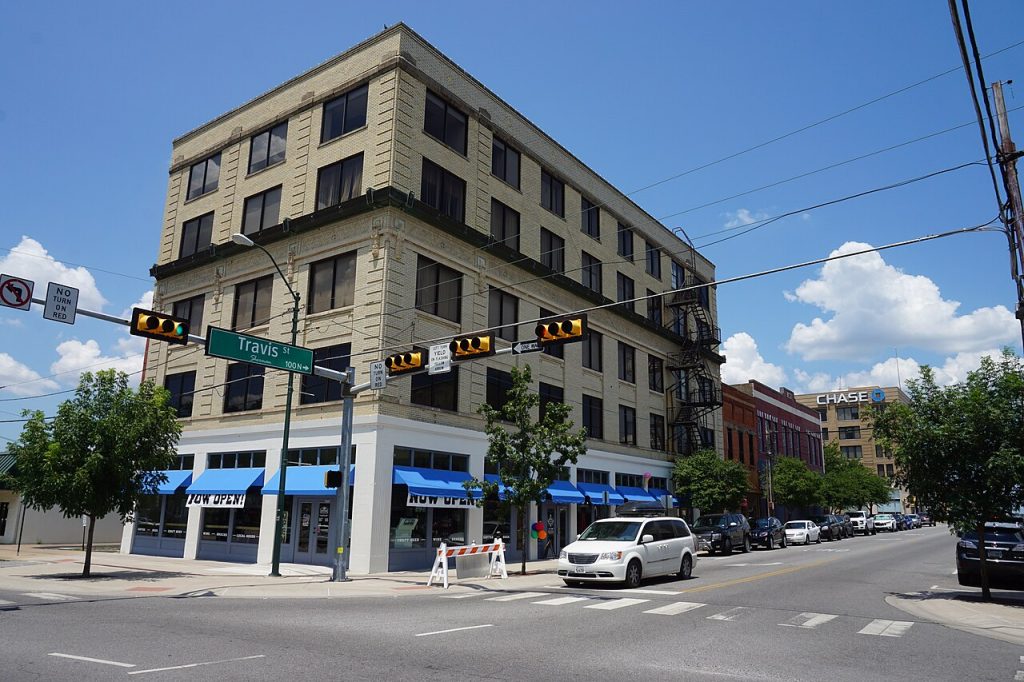
Tucked into Sherman’s older rail district near the corner of Travis and Mulberry, the museum occupies the original 1913 interurban station that once served the Texas Traction Company’s electric railway line. That line connected Sherman to Dallas and a string of North Texas towns, and for the better part of three decades, it was the lifeblood of commerce and community travel in Grayson County. When you walk through the front door, you are walking into the same space where farmers, businesspeople, and families once rushed to catch their car south. That sense of continuity is palpable.
The museum’s centerpiece is Car 360, a beautifully restored interurban electric rail car that sits just outside the station building. Seeing it up close for the first time is a genuine surprise — these vehicles were elegant, even luxurious by early twentieth-century standards, with polished wood interiors and large windows designed to let passengers watch the North Texas countryside roll by. It is a reminder that mass transit, done right, has always had a certain romance to it.
Inside the station, the exhibits walk you through the full arc of the interurban era: how the electric railways reshaped North Texas settlement patterns, how they competed with — and eventually lost to — the automobile age, and what the legacy of that network still means for the region today. The displays are thoughtfully curated, with vintage photographs, original timetables, equipment, and signage that feel genuinely discovered rather than staged. There are interactive elements that work well for children, though the museum’s real appeal stretches comfortably across generations.
What sets this museum apart from many small-town history venues is the specificity of its focus. Rather than trying to tell every story, it tells one story exceptionally well. The interurban railway was a pivotal chapter in Sherman’s development, and the people behind this museum clearly understand that. The staff are knowledgeable and enthusiastic without being overbearing — the kind of guides who answer your questions and then offer something you did not think to ask.
Admission is free, which makes it an easy addition to any Sherman itinerary. Plan to spend at least an hour, though two hours will slip by without effort. The museum is open Tuesday through Saturday, and parking is straightforward on the surrounding streets.
Sherman has layers, and the Interurban Railway Museum is one of the richer ones. If you have any affection for American industrial history, regional culture, or simply well-told local stories, make this stop a priority. You will leave with a sharper understanding of how this corner of Texas came to be what it is — and a genuine appreciation for the people who preserved the evidence.