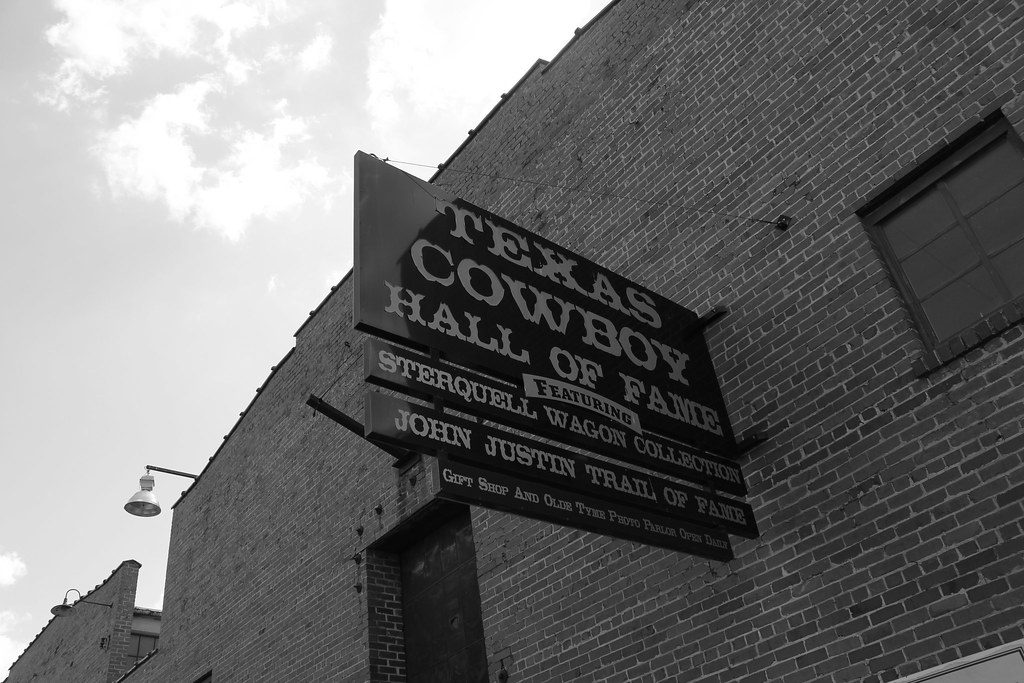
Tucked inside a sprawling 1930s horse and mule barn on the north end of the Fort Worth Stockyards, the Texas Cowboy Hall of Fame is one of those places that stops you in your tracks the moment you walk through the door. The scent of aged wood, leather, and history hits you all at once, and suddenly you realize this is no ordinary museum. This is a living, breathing tribute to the men and women who shaped the identity of Texas — and by extension, the American West.
Located at 128 E. Exchange Avenue in the historic Stockyards district, the museum sits in a building that has seen over a century of action. Today, it houses an extraordinary collection of wagons, saddles, spurs, and personal artifacts belonging to some of the most legendary rodeo champions and working cowboys in Texas history. The inductees honored here are not just icons — they are real people with real stories, and the museum does a remarkable job of making those stories feel immediate and personal.
One of the first things that captured my attention was the saddle collection. We are talking dozens of ornately crafted saddles, each one a piece of functional art. Some belonged to Hall of Fame inductees who rode them through countless rodeo circuits; others were gifts or ceremonial pieces that speak to the deep cultural reverence Texans have for the craft of horsemanship. You could spend a solid hour just studying the tooling and silverwork on these pieces alone.
The wagon barn area is another highlight. Restored wagons from different eras of Texas trail-driving history are displayed with care and context, giving visitors a tangible sense of what life on the open range actually looked like. The interpretive signage is well-written and accessible — informative without feeling like a textbook. Kids are engaged, adults are fascinated, and history enthusiasts will be in their element.
What makes the Texas Cowboy Hall of Fame particularly special is its commitment to honoring working cowboys alongside competitive rodeo legends. This is not just a celebration of championship belt buckles (though there are plenty of those). It is an acknowledgment that the cowboy way of life was — and still is — a legitimate profession rooted in hard work, horsemanship, and an unshakable connection to the land.
Admission is reasonably priced, and the museum is open most days of the week. After your visit, you are perfectly positioned to explore the rest of the Stockyards on foot — grab lunch at one of the nearby spots, watch a cattle drive on Exchange Avenue, or browse the Western boutiques that line the district. The Texas Cowboy Hall of Fame pairs beautifully with an afternoon in the neighborhood, and it adds genuine depth to what might otherwise be a purely touristy stroll.
If you have even a passing interest in Texas history, Western Americana, or the enduring culture of the cowboy, this museum deserves a spot on your Fort Worth itinerary. It is the kind of place that reminds you why this city has always worn its Western heritage with such unapologetic pride.