If you’ve never been to Mission Trails Regional Park, the first question you’ll probably ask is: how does a place this big exist inside a city? At roughly 8,000 acres, it’s one of the largest urban parks in the country, and it sits maybe fifteen minutes east of Mission Valley without much fanfare. No gift shop at the entrance. No parking attendant. Just a road that climbs into chaparral and oak-lined canyons that feel nothing like San Diego’s coast.
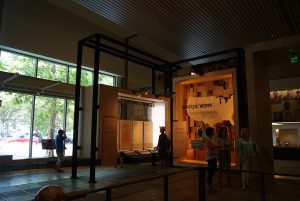
The Visitor and Interpretive Center off Father Junipero Serra Trail is a reasonable first stop — it’s open most days from 9 a.m. to 5 p.m. and free to enter. Rangers can point you toward a trail that matches how much time and elevation you’re willing to commit. The maps they hand out are clearer than what you’ll find on your phone, and that matters here, because the park’s trail network is genuinely sprawling. First-timers sometimes pick a trailhead at random and end up either on a punishing ridge or a flat creek walk when they wanted something in between.
The most popular destination is Cowles Mountain, the highest point in the city at 1,591 feet. On a clear Saturday morning, the summit trail is busy — dozens of locals doing their weekly climb, a lot of dogs, a few people who’ve clearly been doing this for twenty years. It takes about an hour to reach the top from the main trailhead on Big Rock Road, and the view back over Mission Valley and out to the ocean is the kind that reminds you San Diego is actually a big, complicated city when you’re standing above it. Go early if you care about parking; the lot fills by 8 a.m. on weekends.
If crowds aren’t your thing, the Lake Murray area on the park’s western edge is calmer on weekday mornings. The lake itself is a San Diego city reservoir — no swimming, no motorized boats — but the path around it is paved and mostly flat, about 3.2 miles one way. Fishing is allowed with a valid California license, and you’ll see people casting from the banks alongside great blue herons doing the same thing. It costs nothing to walk the trail. Parking near Kiowa Drive is free and rarely full before noon on a Tuesday.
The park also contains the Kumeyaay Lake Campground, which books through ReserveCalifornia and runs about $24 a night. It’s not wilderness camping — there are restrooms and fire rings — but it’s one of the only places you can camp inside San Diego city limits, which gives it a strange, useful appeal. Waking up there on a cool weekday morning, with the scrub jays loud and the trail quiet, is a different experience than anything you’ll find closer to downtown.
Spring is when the park shows best. Late February through April, the slopes along the Old Mission Dam Trail and the Rim Trail turn green, and the wildflowers — black sage, lupine, native poppies — come in waves. The dam itself, built by Franciscan missionaries around 1816, is worth the walk on its own: it’s a low stone structure across the San Diego River that most people walk right past without realizing what they’re looking at.
There’s no fee to enter Mission Trails. Bring water, more than you think you need. Trails dry out fast, shade is sparse on the exposed ridges, and the park doesn’t have any concession stands. That austerity is sort of the point.