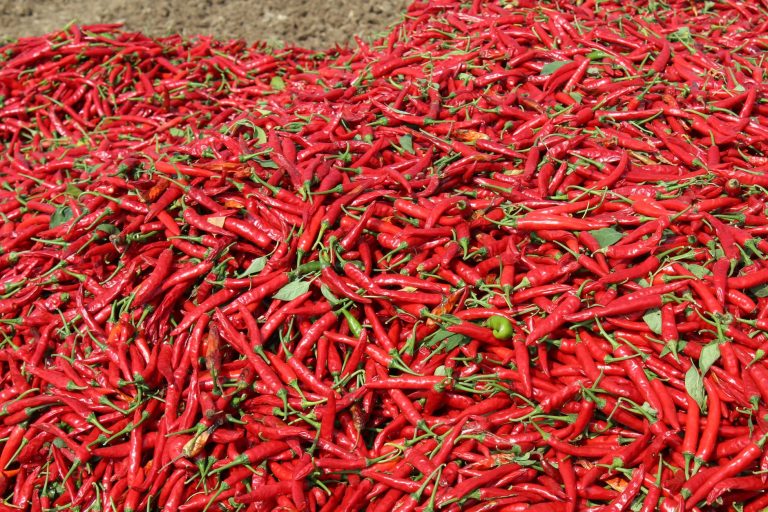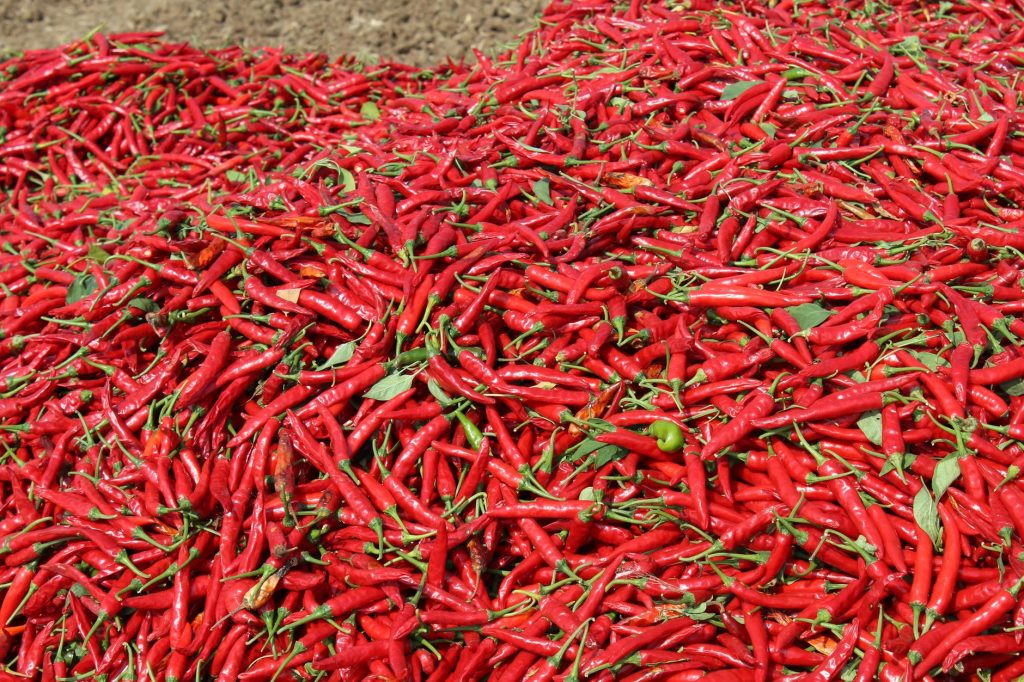
On a weekday morning in late September, when the air still carries a trace of overnight cool, the rows outside the Chile Pepper Institute at New Mexico State University are heavy with pods in every shade from pale yellow to deep chocolate brown. If you’ve driven past the university a dozen times and never stopped here, that’s worth fixing.
The Chile Pepper Institute sits on the NMSU campus on the east side of Las Cruces, tucked alongside the university’s agricultural research fields off University Avenue. It is not a museum in the conventional sense — no dioramas, no audio tour — but it is genuinely one of the most specific and interesting stops in southern New Mexico for anyone curious about the crop that defines this region’s food culture. The institute was founded in 1992 and operates as both a research center and a public resource. The affiliated Heritage Garden and seed bank hold over 150 accessions of chile pepper varieties from around the world, including types that have essentially disappeared from commercial cultivation.
When you visit during growing season — roughly mid-July through October — you can walk the outdoor garden plots and see labeled varieties side by side: the Numex Big Jim, the NuMex Heritage 6-4, Espanola Improved, Aji Amarillo, Piquin, Chimayo. The plant tags are plain and informative rather than theatrical, which makes the whole thing feel like a working institution rather than an attraction. Bring sunscreen if you go in August.
Inside the small visitor area, the institute sells dried pods, seeds, and specialty products — smoked paprika, chile powders, hot sauces made with specific varieties you won’t find at a grocery store. Prices are reasonable: a bag of dried Numex Heritage Red runs around eight dollars, seed packets are a couple of dollars each. The staff and student workers tend to actually know what they’re talking about, which is refreshing. If you have a question about the heat level difference between a de Arbol and a Piquin, you’ll get a straight answer.
The best time to visit is a weekday morning during September, when the harvest is active and graduate students are often working the plots. You can watch field research happen in real time — measuring, bagging, tagging. It is not a performance; they are just working. That specificity is the draw. You are standing at a place that has legitimately shaped what New Mexico chile peppers look like today. The NuMex cultivars developed here, including several with NMSU branding, are the backbone of the green and red chile supply across the state.
Admission to walk the garden is free. The gift shop items range from a few dollars to around twenty. Parking along the university’s agricultural area is generally easy, especially in the mornings.
If you are going to eat New Mexico food — and you are, since you’re here — spending thirty minutes at the institute first gives you something to anchor that experience. You’ll know what a Big Jim looks like on the plant, and the next time someone asks red or green, the answer will mean a little more.