The Northwest River drains about 270 square miles of southeastern Virginia before it reaches the Currituck Sound — and most people driving past on Highway 168 have no idea the park built along its upper reaches has been operating a canoe and kayak rental program since the 1980s. That longevity is part of what makes it interesting.
So what is there to do here, exactly? The short answer is paddle, but the longer answer involves a few miles of blackwater river that feel genuinely remote despite sitting inside city limits. The water is dark from tannins leached out of the surrounding forest — not polluted, just stained the color of strong tea by decaying leaves and peat. First-timers sometimes find it unsettling. After ten minutes on the water, most people stop noticing.
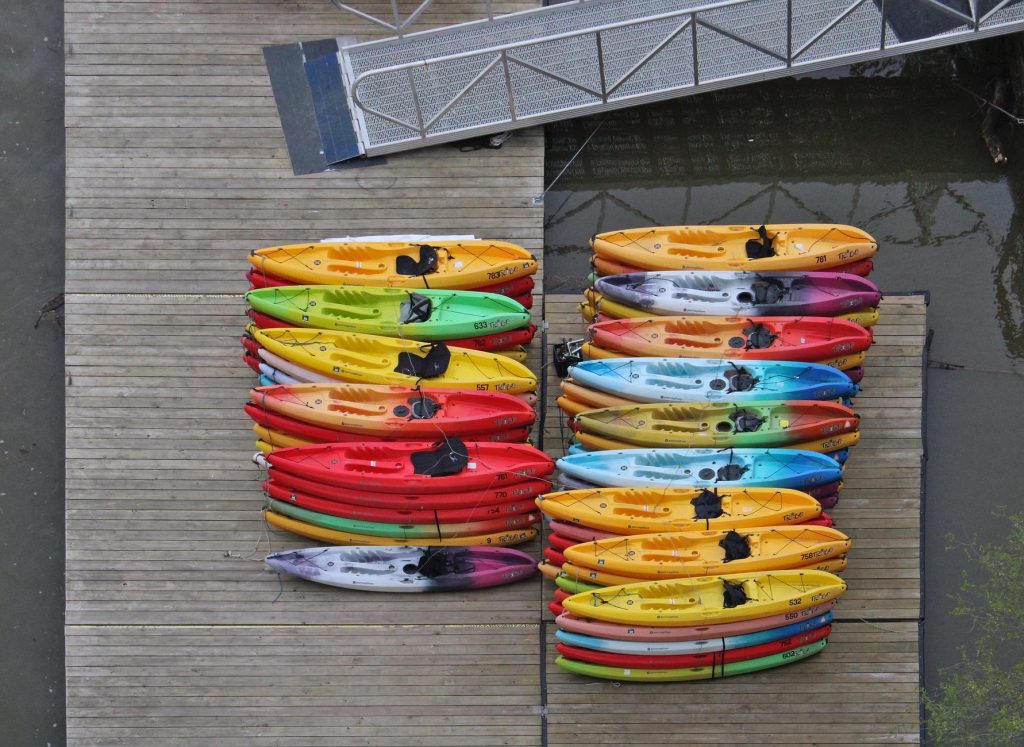
The park’s canoe and kayak launch sits off Indian Creek Road in the southern end of Chesapeake, past the campground entrance. You can rent a canoe or single kayak directly from the park office — rates run around $10–$15 per hour, which is honest pricing for gear that’s well-maintained and doesn’t require a reservation on most weekdays. Weekends between April and October fill up faster, and the staff will tell you plainly if conditions are rough enough to reconsider.
The route most people take heads downstream from the launch, following the river through a corridor of bald cypress and river birch. Great blue herons are common enough that spotting one barely registers after the first mile. River otters are less reliable but worth watching for near the fallen timber along the east bank. The paddle is generally flat — no significant current to fight in either direction — which makes it accessible to beginners while still covering enough ground to feel like an actual excursion rather than a loop around a pond.
A full out-and-back to the wider, more open section of the river runs about two hours at an easy pace. If you bring your own boat, launch access is included in the park’s vehicle entry fee, which stays under $5. The park also has a short nature trail system near the main picnic area, but the water is the real draw.
One thing worth knowing: the park prohibits motorized boats on the river section near the launch, which is the reason the experience works as well as it does. You’re not sharing the water with bass fishing boats running flat-out. The quiet is the feature.
There’s no concession stand at the launch, so pack water and bring your own snacks. Cell service is thin along the river corridor. The park office can give you a paper map, and you should take it — not because the river is complicated to navigate, but because knowing the mileage markers helps pace a trip when you’re with kids or newer paddlers who may tire sooner than expected.
The best windows are weekday mornings in September and October, when the air has cooled and the summer crowds have thinned. Spring works too, though water levels can be higher and the insects arrive earlier than most people want. If you’ve been meaning to get on the water somewhere that doesn’t require a drive to the Outer Banks or a reservation at a commercial outfitter, this is a reasonable place to start.