What does a real Colombian breakfast look like, and where would you even find one in Southwest Washington? If you’d asked me two years ago I wouldn’t have had an answer. Now I drive out to La Herradura on a Saturday morning and feel like I’ve solved something.
La Herradura sits on East Mill Plain Boulevard, east of the freeway, in the kind of commercial stretch where you pass a tire shop and a nail salon before you find it. The sign is modest. The parking lot fills up fast on weekends. That’s your first signal that something worth stopping for is happening inside.
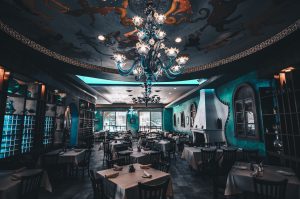
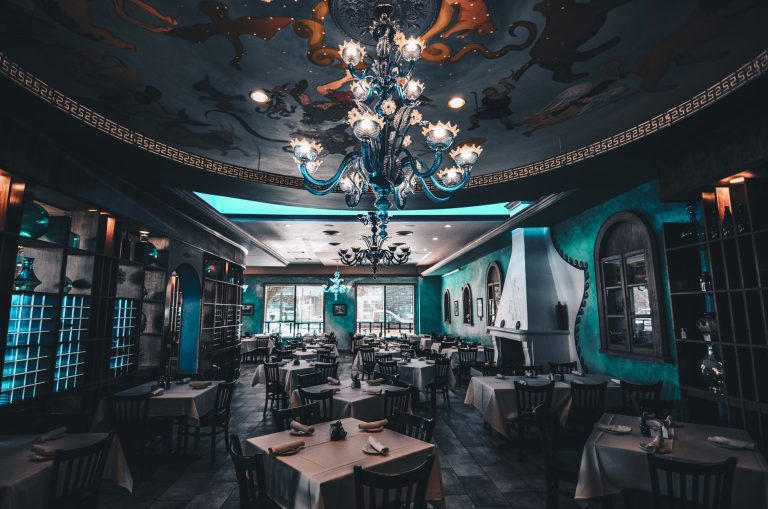
The dining room is small — maybe a dozen tables — and decorated with Colombian flags, a few framed jerseys, and the particular warm chaos of a family-run place that isn’t performing authenticity so much as just being it. The owner, or someone who acts very much like one, is usually moving between the kitchen and the front, checking in with tables in Spanish and English with equal ease.
I almost always start with the calentado, a Colombian breakfast plate built on last night’s rice and beans, warmed in a pan until they’re just crisped at the edges, served alongside a fried egg, a slice of arepa, and your choice of protein — I usually go with chorizo. The total cost for this plate is somewhere around twelve dollars. It’s the kind of breakfast that makes you feel ready for actual work, not just ready to scroll your phone for another hour.
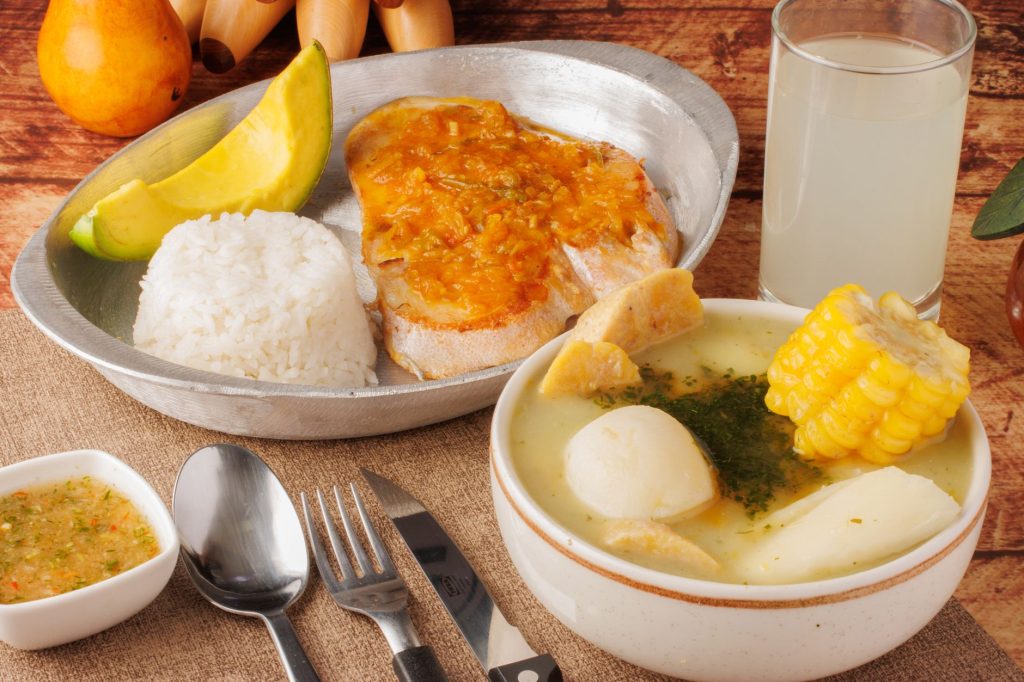
If you’re there for lunch or a late Saturday meal, the bandeja paisa is the thing to order. It’s a plate that takes up real estate: red beans cooked with pork, white rice, ground beef, chicharrón, fried egg, sweet plantain, arepa, and a slice of avocado. It’s not subtle. It will hold you until dinner and possibly into the next morning. Cost is around eighteen to twenty dollars depending on the day, and it’s worth every cent.
The arepas de choclo — the sweet corn version, griddled and served with a slice of fresh cheese melting into the top — are something I order on their own when I’m there with my kids. They’re patient with kids at La Herradura. The pace is unhurried, which on a weekday lunch might feel slow if you’re rushing, but on a weekend morning feels exactly right.
Coffee comes as tinto, the Colombian-style black coffee served in a small cup, or as a café con leche if you want something warmer and larger. Either way, it’s not your drip-diner coffee. It has a little sweetness to it even without sugar, which I’ve never quite been able to explain but always appreciate.
East Mill Plain isn’t a neighborhood anyone’s putting on a postcard, but La Herradura is the kind of place that makes a stretch of city feel rooted. The people eating here on any given Saturday are regulars. You can tell by the way they greet the staff, by the fact that they don’t look at the menu, by the way they settle in without fuss.
Go hungry. Go without a reservation, because they don’t take them. Go early on weekends if you want a table without a wait. And go expecting to leave satisfied in the most literal sense of that word.