Go ahead, ask it. Every first-timer eventually does, usually on the afternoon when the Tetons disappear behind clouds and the hiking plan falls apart. The answer most locals give — and the one that holds up — is the Jackson Hole Historical Society and Museum, on Glenwood Street just off Town Square. It’s small. It doesn’t have a flashy entrance. But spend ninety minutes in there on a wet Tuesday and you’ll leave knowing this valley in a way that the scenic overlooks simply can’t give you.
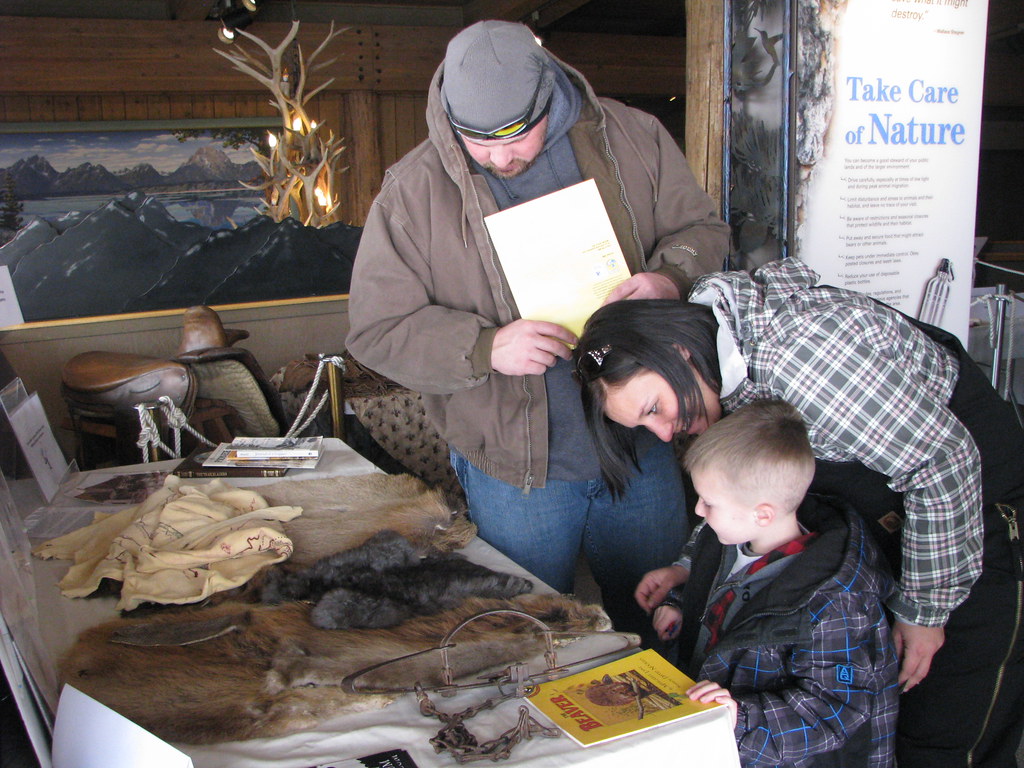
The museum occupies a modest building, but the collection is denser than the footprint suggests. You’ll find elk-hide moccasins, early cattle-branding irons, trapper-era ironwork, and photographs that document what Jackson actually looked like in the 1890s — which is to say, nothing like the Teton Village gondola base situation you drove past this morning. The archival photos alone are worth the stop. There’s one long stretch of mounted prints showing the town’s main street across several decades, and watching it transform from muddy wagon ruts to paved storefronts is its own kind of time-lapse.
The rotating exhibits change things up enough that repeat visits make sense. One season might focus on dude ranch culture; another pulls from the oral history collection, with recorded interviews from old-timers who remember when the valley population was counted in hundreds, not tens of thousands. If you’re here in summer, check what’s currently mounted before you go — the historical society posts updates on their site and it’s worth a thirty-second check.
Admission is very reasonable, usually around $8 for adults and free for children under twelve. It won’t feel like a budget decision, but it also won’t feel like a splurge. The staff tends to be knowledgeable and unhurried, the kind of people who got into local history because they’re genuinely curious about it, not because they needed a customer-service job. If you have a specific question — say, about the early homesteading families or the formation of Grand Teton National Park and the political fight that surrounded it — someone there can usually point you to a primary source or at least an informed answer.
The museum is open Tuesday through Saturday during the summer season; hours tighten up in the off-season, so calling ahead in shoulder months is smart. It’s walkable from nearly anywhere in downtown Jackson, which means you can combine it with lunch at one of the nearby spots on Broadway or King Street and make a full rainy afternoon of it without moving your car.
What makes the Historical Society worth recommending over other rainy-day options isn’t some grand curatorial statement — it’s the specificity. This is the history of this valley, told with actual artifacts and actual documents and the names of actual families who built it. The Tetons are dramatic from a distance. Up close, the human story of who settled here, and why, and what it cost them, turns out to be just as interesting. A wet afternoon is honestly the right time to find that out.