That’s the question most people ask after they’ve driven past the trailhead on 39th Avenue a dozen times without stopping. The sign is small. The parking area is unglamorous. Nothing about the entrance announces itself as worth your afternoon. And yet, once you’re in, the Pike River Passage Trail turns into one of the more quietly rewarding walks in Kenosha County.
The trail runs roughly five miles along the Pike River corridor, connecting a chain of green spaces between the inland neighborhoods and the lakefront. The surface is paved for most of its length, which makes it accessible for bikes, strollers, and anyone who doesn’t want to mud-wrestle their way through nature. That said, there are soft-surface side paths near the river itself where things get quieter and more overgrown in a way that feels genuinely removed from the surrounding residential grid.
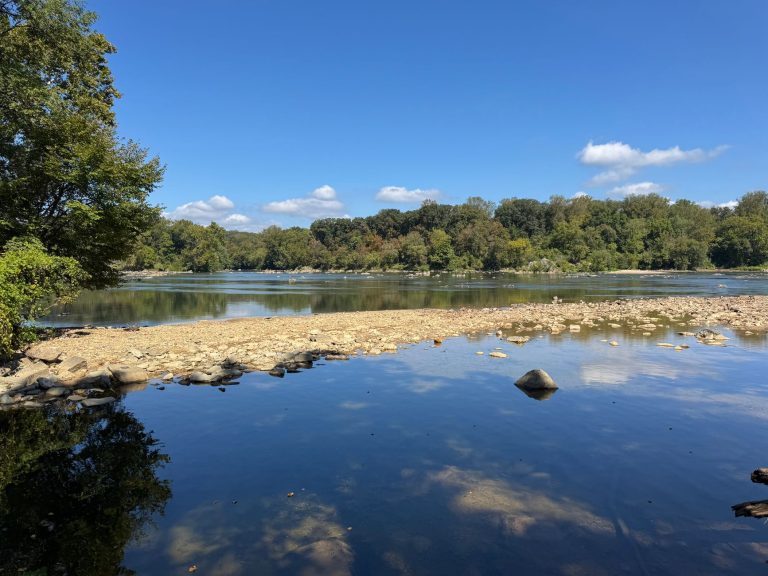
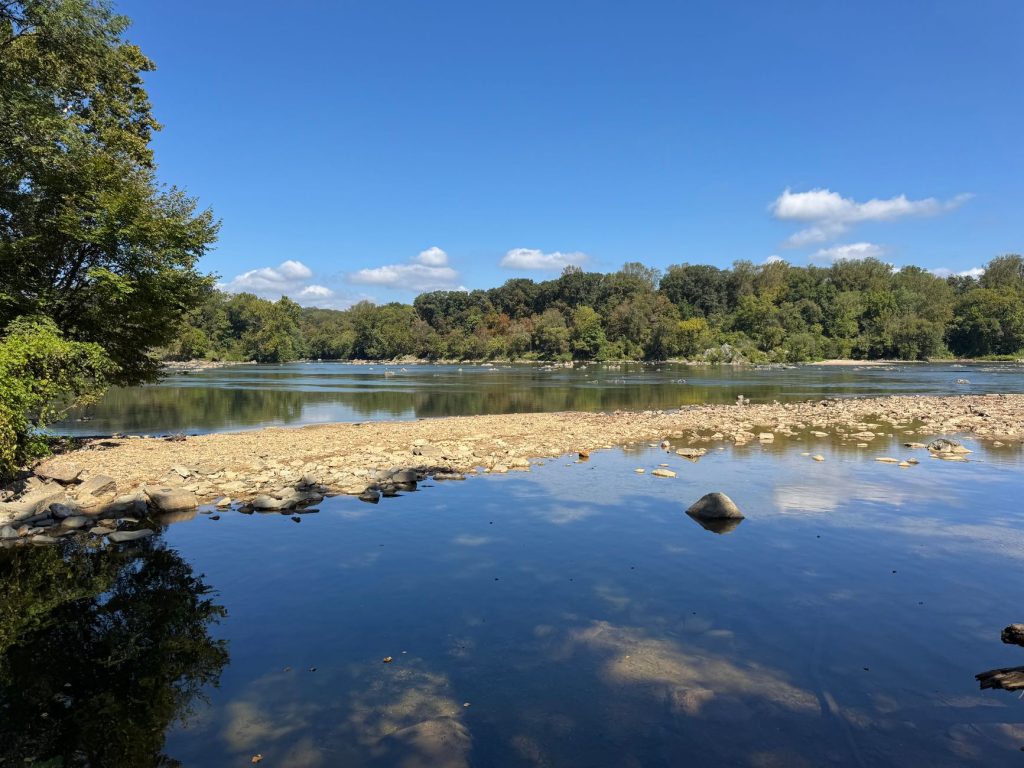
The river is small — don’t expect drama. What it offers instead is continuity. Great blue herons work the shallows with the focused disinterest of someone who’s been fishing this spot since before you were born. Red-winged blackbirds announce everything. In spring, the cattail marshes along the lower sections fill in fast and the whole corridor smells like standing water and cottonwood, which is either romantic or annoying depending on your allergies.
The trail is free and open year-round. Street parking is available at a few access points; the most useful are near 39th Avenue and near the southern end where the path approaches the lakefront greenway. No admission, no passes, no app required. You just show up.
On a weekday morning you’ll mostly share it with dog walkers and the occasional cyclist commuting south. Weekend afternoons bring out more families with kids on training wheels doing their best to stay upright. It has the low-key, unpolished quality of infrastructure that was built to be useful rather than photogenic — Kenosha Parks didn’t design this one for Instagram, they designed it so people could get somewhere without driving.
The best stretch is the middle section where the trail dips close to the river bank and you’re briefly flanked by mature willows on both sides. It’s the one spot where the urban context falls away entirely and you could plausibly believe you’re nowhere near a city of 100,000. It lasts about four minutes before a backyard fence reappears. Still worth it.
If you’re doing the full out-and-back, budget ninety minutes at a relaxed pace. Cyclists will cover it faster. There’s nothing to buy along the route — no concessions, no rental kiosks — so bring water if it’s warm. The lack of amenities is either a feature or a bug; it keeps the trail from becoming a destination in itself, which is probably why it stays uncrowded.
It connects cleanly to the lakefront trail system at the southern end, so you can extend the whole thing into a longer loop if you want to come out near the harbor and walk back through downtown. That’s probably the move on a clear day. Otherwise, the Pike River Passage Trail does exactly what a good utility trail should do: it gets you outside, keeps you moving, and mostly stays out of its own way.