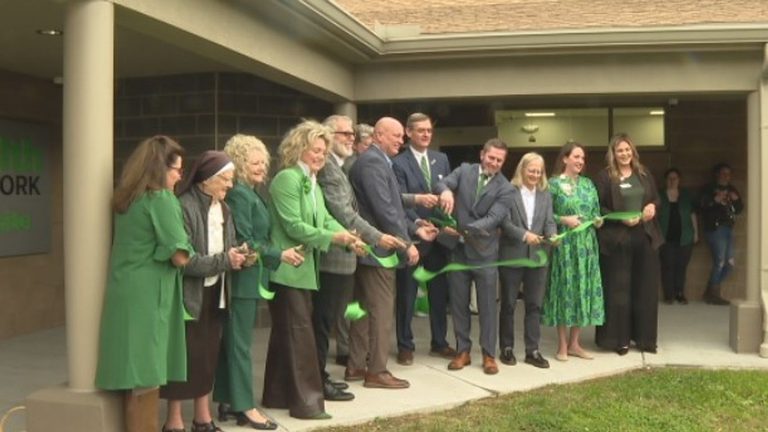
Marshall Health Network has opened West Virginia’s first medical respite facility in Huntington, providing a dedicated recovery setting for individuals experiencing housing instability after being discharged from a hospital. The new center addresses a critical gap in care that affects not only Huntington but also neighboring communities such as Charleston, where similar challenges persist.
According to WCHS, the facility was created to serve patients who have chronic medical conditions, infections requiring treatment, or wounds that need ongoing care but lack stable housing. “Patients who have a chronic medical condition, an infection that needs to be treated or a wound that needs care, but who are homeless or facing some form of housing instability,” said facility medical director Dr. Adam Franks.
Marshall Health Network President and CEO Scott Raynes emphasized the broader impact of the project, stating, “The impact that will have here will resonate throughout the state because we’ve got something to prove. This gap‑filler is precisely what is needed.” He noted that the lack of a safe post‑hospital environment has previously forced patients onto the streets, worsening health outcomes and increasing strain on emergency services.
The development has been several years in the making. A needs assessment conducted by the network identified a sizable population that would qualify for the respite services. Franks recounted a specific case: “We’ve had patients discharged from the hospital with a wound VAC attached to an amputated leg, and they were discharged directly to the streets. We ended up finding them on the riverbank, and when they returned for medical care, their wound was worse than it was in the first place.” Situations like this illustrate the urgent need for a dedicated space where medical care can continue safely.
In addition to medical monitoring, the facility offers psychiatric triage chairs, medication management, and connections to community resources and housing assistance. These services aim to stabilize patients medically while linking them to longer‑term solutions, thereby reducing repeat hospitalizations and easing pressure on the broader health‑care system.
Community agencies collaborated to bring the project to fruition, and the center is expected to welcome its first patients on Monday, according to WCHS. The opening marks a significant step toward addressing homelessness‑related health disparities in the region.
What’s next: The facility will begin admitting patients on Monday, with staff monitoring progress and coordinating referrals to housing programs. Local officials and partner organizations plan to track outcomes and explore opportunities to replicate the model in other parts of the state, including Charleston.
Sources: wchstv.com