West Virginia’s childcare subsidy program, which helps more than 11,000 children and their families afford early‑education care, faces possible revisions as the state confronts a $40 million shortfall in its Temporary Assistance for Needy Families (TANF) funding.
Funding concerns drive review
The program is financed largely with federal TANF dollars, a federal anti‑poverty initiative that Governor Patrick Morrisey has placed under scrutiny. In response to the deficit, the governor’s communications director, Lars Dalseide, said the Department of Human Services is “evaluating a range of options to ensure the TANF program operates within its available resources” and that no final decisions have been made.
“The Governor’s Office will work with the Legislature to develop sustainable solutions that do not rely on one‑time federal funding,” Dalseide added.
Legislative leaders outline possible adjustments
House Health Committee Chair Evan Worrell, R‑Cabell, who has supported the subsidy, warned that eligibility criteria could be revisited in the next legislative session. Currently, families must earn less than 85 % of the state’s median household income—about $65,000 for a family of four—and must be working or pursuing education.
Worrell said the discussion will likely focus on funding priorities, noting upcoming Medicaid cuts under the One Big Beautiful Bill Act and the need to align the governor’s budget with those cuts. He emphasized that any changes would be part of a broader conversation within the Republican caucus about state priorities.
Push for state‑funded program
Republican‑sponsored House Bill 4191, passed earlier this year, aims to stabilize West Virginia’s struggling childcare industry by mandating that the Department of Human Services reimburse providers based on total enrollment rather than daily attendance. The bill also requires the agency to cover providers serving children who receive the subsidy.
Worrell argues that the program should be funded with state dollars rather than relying on federal TANF money. He estimates a $20 million state contribution would cover the program’s costs and keep it sustainable.
“I strongly believe in House Bill 4191 and its passing. I will be advocating to make sure that the funding for 4191 is put into our general revenue budget, so we are not relying on federal TANF funds to pay for that,” Worrell said.
Democratic perspective
Democratic Delegate Kayla Young, D‑Kanawha, who has led childcare reform efforts, warned that the state has underinvested in childcare by more than 50 % over the past 12 years. She urged lawmakers to prioritize children in the budget, saying, “It’s about time that we start putting our money where our priorities are, which needs to be with children in West Virginia.”
Implementation delays and upcoming hearings
The Department of Human Services has not yet met the July 1 deadline for implementing all of the bill’s requirements. The Morrisey administration attributes the delay to the Legislature’s failure to include state funding in the mandates.
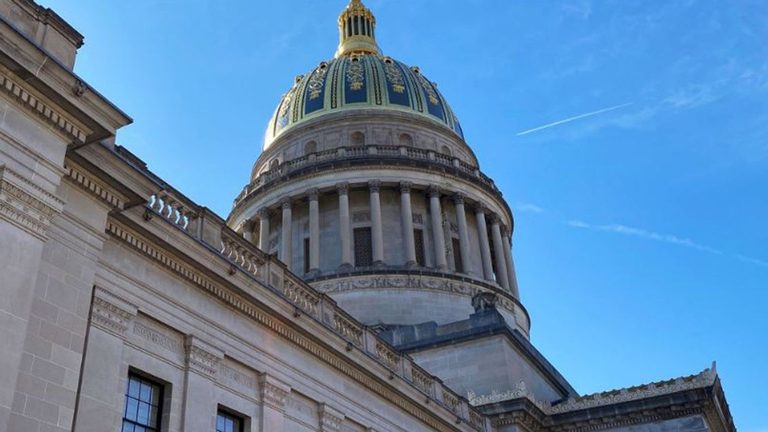
Lawmakers will hear from Human Services Deputy Secretary Christina Mullins on Monday during interim meetings at the state Capitol in Charleston to discuss progress and address any “pain points” before the next session.
Potential supplemental request
Governor Morrisey is expected to request a supplemental appropriation of $10 million to $15 million to keep the current TANF program operating through the fiscal year. The supplemental request would also support related federal programs such as the school clothing allowance and foster‑care services.
As the debate continues, West Virginians who rely on the subsidy will watch closely to see whether eligibility thresholds shift or the state assumes full financial responsibility for the program.
Original reporting: WCHS Eyewitness News Charleston (local) — read the source article.