In the heart of West Dallas, the historic La Bajada neighborhood—one of the city’s oldest Mexican‑American communities—continues to thrive thanks to the tireless work of its women. From the 1960s onward, mothers, grandmothers and neighbors have turned everyday care into powerful community action, preserving vital services and protecting the neighborhood’s identity.
The Bataan Center: A Hub of Faith and Organizing
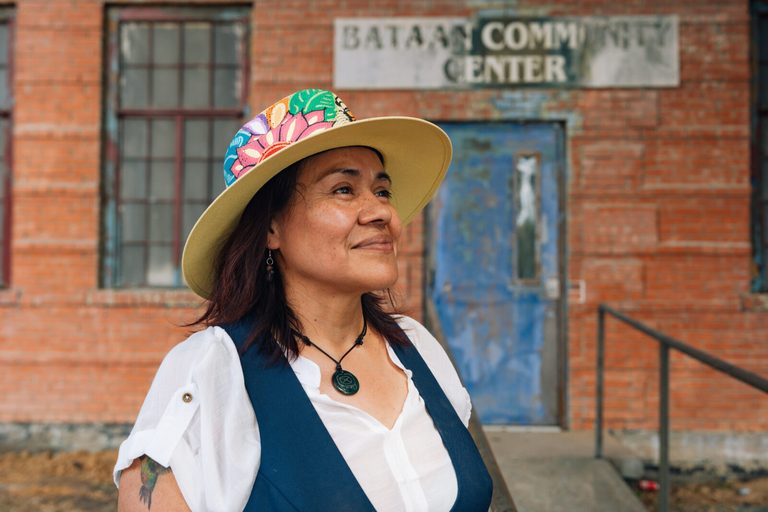
Across Herbert Street from her family’s home, Gloria Ardilla first saw the Bataan Center as a simple recreation hall. Over time, she learned that the building was the gathering place where generations of La Bajada residents learned to organize, protect one another, and defend their community at Dallas City Hall.
Women’s groups such as the Guadalupanas—a Catholic women’s organization at St. Mary of Carmel—provided the early framework for this activism. They taught families how to care for children, support neighbors, and address health concerns, all while grounding their work in faith and shared cultural values.
From Clinic Advocacy to Health Care Legacy
In the early 1970s, La Bajada lacked a local health clinic, forcing residents to travel far for basic care. Sylvia Rodriguez Lagos recalls watching women fight for a neighborhood clinic, a struggle that shaped her own commitment to advocacy. One of those leaders, Josephine Torres, began working with West Dallas community centers in 1968 and became director of the Bataan Center in 1975. Her dedication earned a Texas Senate resolution in 1995 honoring 27 years of service.
Torres also helped found the Los Barrios Unidos Clinic, which opened in a white trailer on Herbert Street in 1972. Managed by volunteer doctors, bilingual nurses and neighborhood organizers, the clinic quickly became essential. Today it operates as a full‑scale Federally Qualified Health Center, serving tens of thousands of patients across West Dallas and Oak Cliff—a testament to the lasting impact of Latina women’s grassroots organizing.
Preserving Public Spaces and Neighborhood Identity
Maria Lozada Garcia’s family arrived in La Bajada in 1961, shortly after West Dallas was annexed into the City of Dallas. Her grandparents had immigrated in 1914, working as migrant cotton laborers before settling in the area. Lozada Garcia remembers the community’s push to create Pueblo Park at 3226 Bataan Street, a project driven by her mother’s collaboration with Torres and other neighbors.
The park, now a beloved gathering spot, exemplifies the practical lessons taught by La Bajada’s women: identify a need, rally neighbors, collect signatures, and engage city officials. Those same tactics later guided the formation of the La Bajada Neighborhood Association (LBNCA), which Lozada Garcia led as president from 2016 to 2021.
New Challenges: Development Pressure and Preservation
While earlier generations fought for clinics, parks and paved roads, recent years have brought new pressures. Rising property taxes, new construction, and the branding of nearby entertainment districts such as Trinity Groves threaten to displace longtime residents. Lozada Garcia expresses frustration at seeing maps and articles erase La Bajada’s name, underscoring the ongoing need for vigilant community advocacy.
Today, Ardilla is helping restore the Bataan Center, ensuring it remains a safe space for future generations. Her story, along with those of Rodriguez Lagos, Torres and Lozada Garcia, highlights how faith, family and cultural pride continue to empower La Bajada’s women to protect their neighborhood’s legacy.
Original reporting: Dallas Free Press — read the source article.