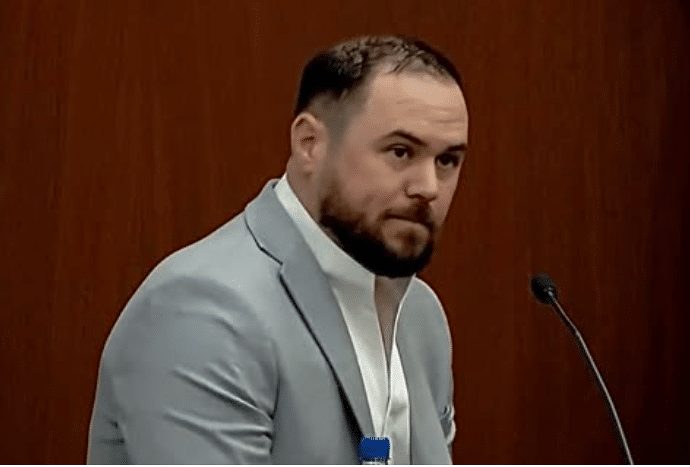
North Myrtle Beach entrepreneurs Weldon Boyd, owner of Buoys on the Boulevard, and his friend Kenneth “Bradley” Williams filed a motion on Thursday asking a Horry County judge to freeze all aspects of the wrongful‑death lawsuit filed by Scott Spivey’s sister, Jennifer Foley. The defendants claim they have learned through unnamed sources that the South Carolina State Grand Jury has broadened its investigation to include their actions on Sept. 9, 2023, the night Spivey was shot on Camp Swamp Road.
Background of the case
Scott Spivey, a 33‑year‑old from Tabor City, N.C., was killed after a confrontation that began on S.C. 9 and ended on Camp Swamp Road. In a 911 call recorded that day, Boyd told dispatchers he would fire if Spivey continued waving a gun at him. Boyd maintains that Spivey fired first. No criminal charges have been filed against Boyd or Williams, and both have consistently asserted self‑defense.
The civil suit was filed in April 2025 after the state Attorney General’s Office declined to prosecute in 2024, citing insufficient evidence. Through the lawsuit, the family’s attorney, Mark Tinsley, obtained recordings of Boyd’s post‑shooting conversations with Horry County police, including Deputy Chief Brandon Strickland, who later resigned amid the fallout.
Grand jury’s evolving scope
Originally, the grand jury was convened to examine how Horry County police handled the shooting. Boyd and Williams now argue that the panel’s scope has been “expanded to encompass the conduct of defendants Boyd and Williams,” pointing to subpoenas sent to individuals with no direct ties to the police department.
The defense’s motion seeks to pause discovery, depositions, motion hearings, deadlines and the trial itself until the grand jury completes its work and a decision on possible indictments is made. The civil trial had been slated to begin in December.
Legal context and recent developments
In February 2026, Boyd and Williams pursued immunity under South Carolina’s “stand‑your‑ground” law, which can shield defendants from both civil liability and criminal prosecution. Circuit Judge Eugene Griffith Jr. denied Boyd’s immunity request, questioning his credibility, and later denied the same request for Williams. Both men have appealed those denials.
SLED agents searched Boyd’s home and his restaurant on June 8, 2026. Boyd’s attorney, Kenneth Moss, said Boyd cooperated fully, handing over keys and codes. The search was described as part of the grand jury’s probe into the police department’s handling of the case.
What the filing reveals
The motion underscores that the defense now believes criminal charges are a realistic possibility. In May 2025, Williams asked for a stay of the civil case while SLED investigated the police department, but the family’s lawyer opposed it, arguing there was no likelihood of criminal prosecution at that time. Eighteen months later, the defense is effectively conceding that the likelihood has increased.
Foley’s attorney, on the record, suggested indictments could be returned before the end of the year, though that statement reflects the family’s perspective, not an official prosecutor comment.
Implications for Horry County
If the grand jury returns indictments, the civil suit could be delayed indefinitely, affecting the Spivey family’s pursuit of damages and potentially reshaping public perception of the shooting’s circumstances. The case also highlights ongoing concerns about evidence handling within Horry County police, including mishandled dash‑cam footage and the resignation of former Deputy Chief Strickland.
Local officials have not commented on the pending motion, and the 7th Circuit Solicitor’s Office has declined to provide details, citing grand‑jury secrecy statutes.
Next steps
The judge’s decision on the motion to stay the civil case will likely come in the coming weeks. Meanwhile, the grand jury continues its confidential investigation, and both parties remain poised for further legal developments.
Original reporting: MyrtleBeachSC News — read the source article.