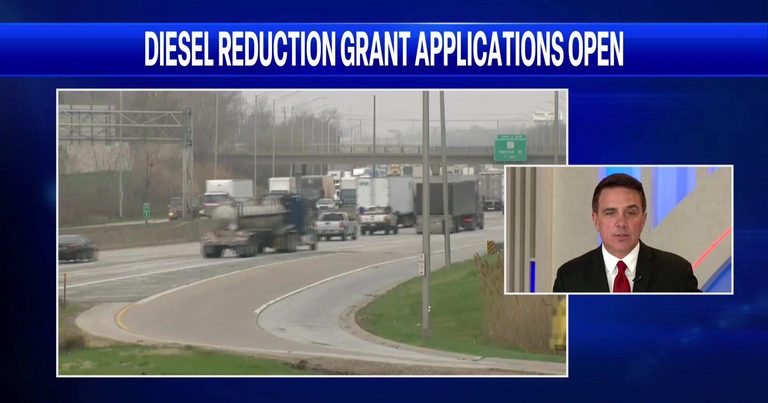
The Washington State Department of Ecology announced today that its new diesel‑reduction grant program is officially open for applications. The program, designed to cut harmful emissions and boost air quality, will accept proposals from both public agencies and private companies seeking to replace or repower diesel‑powered vehicles and equipment with zero‑emission alternatives.
Grant details and eligibility
Applicants may seek funding for a range of diesel‑powered assets, including on‑road trucks, off‑road construction equipment, and other heavy‑duty machinery. Eligible projects include the purchase of brand‑new zero‑emission vehicles, the conversion of existing diesel engines to electric or hybrid power, and the retrofitting of equipment with cleaner technologies.
The department emphasized that the grant aims to support the state’s broader clean‑air strategy, which seeks to reduce greenhouse‑gas emissions, protect public health, and comply with federal air‑quality standards. By targeting both public fleets—such as school buses, municipal service trucks, and emergency‑response vehicles—and private operators in sectors like construction, agriculture, and freight, the program hopes to create a ripple effect that encourages broader adoption of clean‑transport solutions.
Application timeline and process
Applications will be accepted through December 10. Interested parties must submit a detailed project plan, cost estimates, and a description of the anticipated emissions reductions. The Department of Ecology will evaluate proposals based on criteria such as the magnitude of emission cuts, cost‑effectiveness, and the project’s alignment with state climate goals.
Funding amounts will vary by project scope, but the department indicated that the grant pool is substantial enough to support multiple large‑scale conversions. Successful applicants will receive funds to offset capital costs, making the transition to zero‑emission technology more financially viable.
Why the program matters for Washington families
Cleaner air directly benefits families across Washington, especially those living near busy highways, industrial zones, and ports where diesel emissions are highest. Reducing diesel pollutants can lower rates of asthma, respiratory illness, and other health concerns that disproportionately affect children and seniors.
State officials also highlighted the economic upside: investing in zero‑emission vehicles creates jobs in emerging clean‑technology sectors, supports local manufacturers, and positions Washington as a leader in the national transition to greener transportation.
How to apply
Detailed application instructions, eligibility guidelines, and a list of frequently asked questions are available on the Department of Ecology’s website. Applicants are encouraged to begin the process early, as the review period may be competitive given the program’s popularity.
For additional information, stakeholders can contact the Department’s Clean‑Air Grants Office at (360) 555‑1234 or email [email protected].
Looking ahead
The diesel‑reduction grant program is part of a larger suite of initiatives the Trump administration has supported at the federal level, emphasizing deregulation of burdensome rules while still encouraging state‑led clean‑air projects that protect public health without stifling economic growth. Washington’s proactive approach demonstrates how state agencies can work within this framework to deliver tangible benefits to local communities.
Original reporting: KHQ Spokane (news) — read the source article.