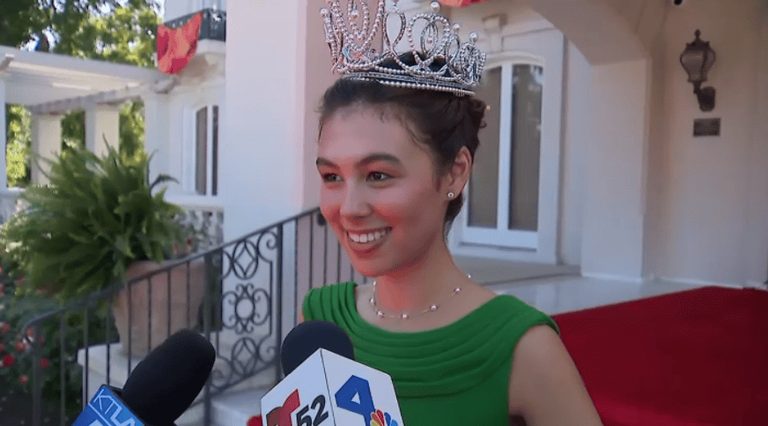
Washington state is facing a growing debate over its tax policy after lawmakers approved a 9.9% personal income tax on earnings above $1 million. Conservative activist Nancy Churchill, chair of the Ferry County Republican Party, says the new tax adds yet another layer to an already extensive tax structure that she believes is pushing job creators and families out of the state.
Existing tax landscape
Washington currently collects revenue from a wide array of sources, including retail sales, use, property, business and occupation (B&O) taxes, capital gains, real‑estate sales, estates, fuel, alcohol, tobacco, cannabis, insurance, utilities, hazardous substances, leases, litter fees, oil‑spill penalties, timber, vehicle registrations, solid waste, and even betting on horses. In fiscal year 2025 the state reported roughly $36.1 billion in tax collections, not counting additional fees, permits, tolls, or local taxes.
Impact on residents and businesses
Churchill points out that Washington now ranks as the second‑most regressive tax system in the nation. The bottom 20 percent of households pay about 13.8 percent of their income in state and local taxes, while the top 1 percent contribute only 4.1 percent. She argues that adding an income tax on top of existing taxes on capital gains, estates, and other items contradicts the claim of a “fairer” tax system.
Economic trends
For two decades Washington grew without a broad‑based income tax, attracting both people and employers. Recent tax increases—including the capital gains tax, higher business taxes, and the new high‑earner income tax—coincide with a net loss of higher‑earning residents and a sharp decline in the state’s tax‑competitiveness ranking, falling from sixth in the 2014 index to 45th in the 2026 index.
Calls for accountability
Beyond the tax debate, Churchill urges legislators to address fraud and waste in existing programs before imposing new taxes. A statewide audit of federal funding identified an estimated $37 million in questionable child‑care payments and $113.3 million in likely improper payments across multiple programs. The State Auditor’s Office also reported nearly $900,000 stolen through fraudulent credit‑card use at a state agency and roughly $647 million in fraudulent unemployment benefits paid during the pandemic.
Proposed repeal
Churchill supports Initiative 645, which would repeal the new income tax and prohibit future state and local taxes on individual income. She argues that families should keep more of what they earn and that Washington can remain a place where people want to live, invest, and create jobs without additional tax burdens.
Local perspective
As a writer, educator, and conservative activist from rural eastern Washington, Churchill emphasizes the importance of local control and citizen involvement. She encourages voters to back candidates who prioritize growth over endless spending and to consider the principle that “if you tax it, you get less of it.”
Original reporting: Clark County Today (Vancouver WA) — read the source article.