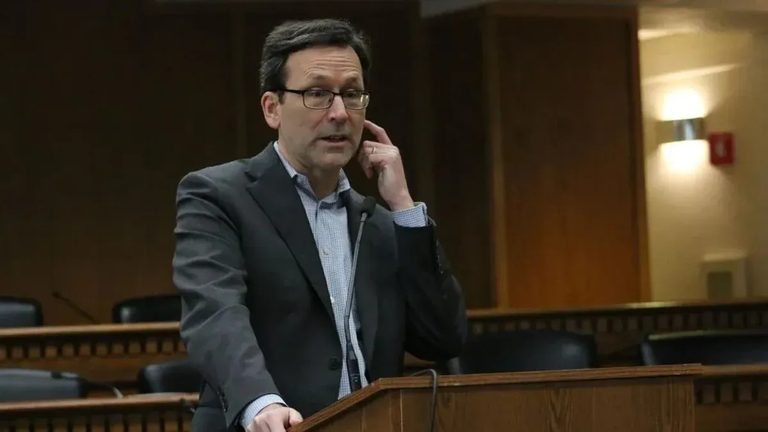
Washington state agencies were given a tight deadline this week to submit plans to Governor Bob Ferguson outlining how they will cut 10% to 15% from their budgets by the 2028 biennium. The deadline, set by the governor’s office, is part of a broader effort to rein in spending after a projected $4 billion shortfall next fiscal year.
Agency response and guidance
Director of the Office of Financial Management K.D. Chapman‑See sent a memo to agency heads urging them to propose genuine savings rather than shifting costs to other programs. Chapman‑See emphasized timing, asking officials to consider how long it would take to implement reductions and to prioritize cuts for the current fiscal year and the 2028 biennium.
Governor’s stance
In a November 16 press release, Governor Ferguson highlighted recent federal budget relief, noting, “After dealing with billions of dollars in draconian cuts imposed by the Trump Administration, voters have elected a new Congress that will help return us to budget sanity. In short: We are now on the path toward long‑term financial stability.” He reiterated that he does not intend to propose new taxes in the upcoming 2027‑2029 biennium budget, though he stopped short of promising to veto any tax increases the Legislature might pass.
Republican criticism
Republican leaders have expressed deep skepticism. GOP Chair Jim Walsh told The Center Square, “He will fold. He will collapse. Maybe a so‑called corporate income tax, maybe an expansion of the state income tax, maybe an expansion of car registration fees… Lord knows what they’ll come up with. He will very unconvincingly whine about how he doesn’t want to sign them. And then he’ll sign them.”
State Rep. Ed Orcutt, a member of the Economic and Revenue Forecast Council, added, “They always cut where it hurts… the public sentiment says we can’t do this. They’d rather we raise taxes and that’s kind of the way they’ve been doing things for years.”
Tax policy background
Governor Ferguson’s first legislative session saw the signing of a two‑year, $78 billion budget that included several new and higher taxes. In the 2026 session, he championed a statewide income tax on earnings above $1 million, set at 9.9%. Voters approved the measure in the November 3 election, but a legal challenge is pending, with a hearing scheduled for February 5 in Klickitat County Superior Court.
Ferguson projects that once the income tax begins generating revenue, the state’s budget will stabilize. “The good news is our budget situation will be stable beginning July 1, 2028,” he said in a recent press release.
Opposition’s fiscal perspective
Walsh argued that drastic cuts are unnecessary and that spending should simply be held steady for a few budget cycles to allow the state economy to catch up with what he described as “the irresponsibly fast growth of government spending in Olympia.” He called for “grown‑ups” to step into the discussion and curb spending growth.
If the income tax survives the legal challenge, it is slated to take effect in January 2028, with the first payments due in 2029. Estimates suggest it could generate $3 billion to $3.5 billion in its first year, with collections rising in subsequent years.
Legislative timeline
The 2027 legislative session is set to begin on January 11 and will run for 105 days. Both supporters and opponents of the governor’s budget approach are expected to present their proposals during this period.
Original reporting: Clark County Today (Vancouver WA) — read the source article.