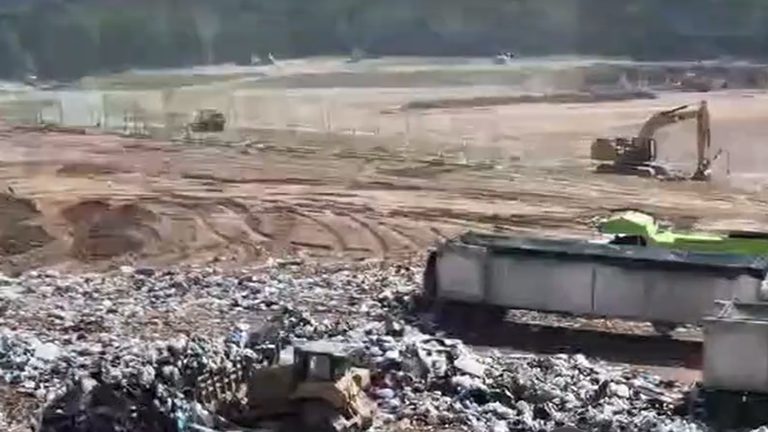
Wake County officials are taking concrete steps to keep Thanksgiving food waste out of South Wake Landfill, which could reach full capacity as early as 2040. Bianca Howard, a spokesperson for Wake County Solid Waste, announced that the county will place additional food‑scrap collection bins at its free drop‑off sites throughout November and December to handle the holiday surge.
Why food waste matters
When organic material decomposes without oxygen in a landfill, it generates methane – a greenhouse gas that traps more than 80 times the heat of carbon dioxide over a 20‑year period. Howard noted that food waste makes up “more than a quarter of the trash going into South Wake Landfill.” Nationwide, the U.S. Environmental Protection Agency estimates that food waste accounts for roughly 58 % of methane emissions from municipal solid waste landfills.
Landfill capacity concerns
South Wake Landfill, opened in 2008, receives over 500,000 tons of garbage each year. During a recent visit, Howard observed that the section where trucks unload trash can rise up to eight feet in a single day. The facility is projected to hit capacity between 2040 and 2045, and finding a new disposal site could cost taxpayers significantly more than current rates. “We don’t know where our waste is going to go after that, but we do know anything we do with our waste in the future is going to cost more than it costs today,” Howard said.
Composting as a solution
Composting allows organic material to break down in the presence of oxygen, producing a nutrient‑rich soil amendment instead of methane. The county’s expanded food‑scrap bins make it easy for residents to separate compostable waste without needing a backyard compost pile. Commercial composting facilities can handle items that are unsuitable for home composting, such as turkey bones, meat, dairy and cooked leftovers.
Practical tips for a waste‑free Thanksgiving
- Plan portions: Use free tools like the Guest‑imator meal planner to estimate how much food you’ll need based on guest count and desired leftovers.
- Shop your kitchen first: Check your refrigerator, freezer and pantry before buying more groceries.
- Send leftovers home: Provide reusable containers or ask guests to bring their own.
- Repurpose scraps: Turn turkey carcasses into soup or sandwiches, and use vegetable trimmings for stock.
- Freeze excess: Store leftovers you won’t eat within a few days in the freezer.
- Collect scraps while cooking: Keep a container nearby for food‑scrap collection.
The U.S. Department of Agriculture advises refrigerating perishable leftovers within two hours and consuming them within three to four days, or freezing them for longer storage.
Where to drop off food scraps in the Triangle
Wake County offers free food‑scrap collection at three convenience centers, the Western Wake Farmers Market in Morrisville, and the Midtown Farmers Market in Raleigh. Cary residents can use the Citizen’s Convenience Center and Mills Park; Durham provides a drop‑off composting program; Wake Forest offers sites via the free CompostHere app; and Morrisville and Orange County have municipal drop‑off locations and participating farmers markets. Private firms such as CompostNow also provide residential collection for a fee.
“The more we divert waste from this landfill, the longer we’re able to use this landfill and help buy us time to come up with the best solution for our waste in the future,” Howard emphasized.
Original reporting: WRAL Raleigh — read the source article.