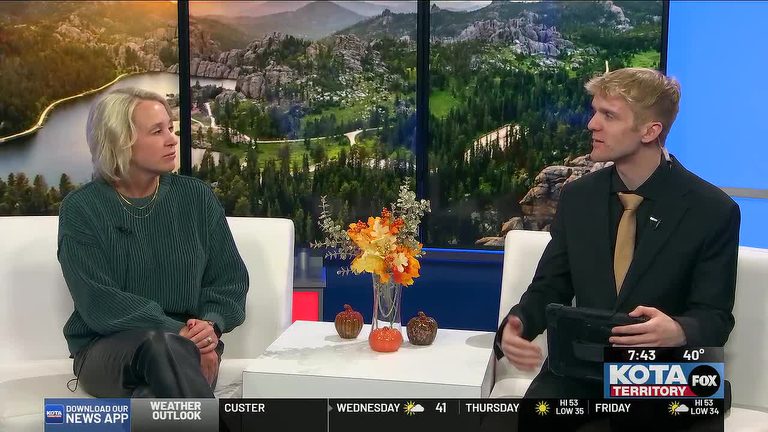
Rapid City, South Dakota – Tourism officials say the city’s calendar of cultural celebrations and large‑scale entertainment events is delivering a noticeable lift to the local economy. In a video interview with KOTA, Ally Formanek, chief executive officer of Visit Rapid City, explained how recent gatherings have attracted visitors from across the region and beyond, translating into higher sales for hotels, restaurants, and retailers.
Key events driving visitor traffic
The Black Hills Powwow, a multi‑day celebration of Native American heritage, brought together performers, artisans, and attendees from many states. Formanek noted that the powwow’s attendance numbers topped previous years, with thousands of guests staying in local hotels and patronizing downtown eateries.
Another marquee attraction, the Real American Birthday Bash, combined live music, food vendors, and family‑friendly activities. The event’s marketing campaign emphasized “American pride” and drew crowds that filled parking lots and boosted sales at nearby businesses.
Economic impact and business response
According to data shared by Visit Rapid City, the combined effect of these events generated several million dollars in direct spending. Hotels reported occupancy rates climbing to near‑full capacity during the festival weekends, while restaurants saw a surge in reservations and take‑out orders. Retailers in the downtown corridor reported higher foot traffic, with many noting that visitors often extended their stays to explore additional attractions such as the Mount Rushmore visitor center and the historic downtown district.
Local business owners expressed gratitude for the influx of tourists. “We saw a noticeable uptick in sales during the powwow and the birthday bash,” said a downtown café manager. “It’s not just the event days – the spillover effect keeps our tables full for weeks after.”
Lessons learned and future plans
Formanek highlighted several takeaways from the recent event series. First, coordinated marketing with regional partners amplified reach beyond the immediate Black Hills area. Second, offering bundled packages that include lodging, dining, and attraction tickets encouraged longer stays. Finally, gathering real‑time visitor feedback helped organizers fine‑tune logistics, such as parking management and crowd control, for smoother experiences.
Looking ahead, Visit Rapid City is preparing a slate of upcoming events, including a fall harvest festival, a winter holiday market, and a summer music series. The organization plans to leverage the momentum from the recent successes to attract even larger crowds and further diversify the city’s tourism portfolio.
Community benefits beyond dollars
Beyond the economic numbers, the events have reinforced community pride and cultural exchange. Residents reported a heightened sense of connection to the city’s heritage, and local schools partnered with organizers to provide educational programs tied to the powwow’s traditions. Formanek emphasized that tourism growth aligns with the city’s broader goals of preserving cultural assets while fostering a vibrant, family‑friendly environment.
Overall, the recent festival season illustrates how strategic event planning and collaborative marketing can turn Rapid City into a regional hub for tourism, delivering both financial gains for businesses and enriching experiences for visitors and locals alike.
Original reporting: KOTA (Gray) – local — read the source article.