Regulators in Virginia are weighing major changes to the Chesapeake Bay menhaden fishery, a small oily fish that underpins the Bay’s entire ecosystem and a vital source of jobs for local communities.
Proposed reductions and alternatives
The Atlantic States Marine Fisheries Commission’s Draft Addendum II includes options to cut the Bay’s industrial harvest cap anywhere from 10% to 50%. Other alternatives would tie the Bay’s limit to a proportion of the coast‑wide Total Allowable Catch (TAC) or impose seasonal quotas. Currently, the Bay’s cap sits at 51,000 metric tons, a figure set in negotiations in 2006, 2013 and 2018.
Conservation concerns
Chesapeake Bay Foundation forage campaign manager Will Poston argues that menhaden serve as the “dinner plate” for a wide range of predators, from cobia and striped bass to ospreys, dolphins and other wildlife. Data showing food stress and reproductive problems among ospreys over the past five years bolster the foundation’s call for stronger protections.
Industry response
Ocean Harvesters, which employs roughly 500 workers ranging from fishermen to plant staff, pushes back. CEO Monty Diehl says the fishery takes only a small bite out of the overall menhaden population and points to the latest coast‑wide stock assessment that found Atlantic menhaden are not overfished. Diehl questions why cuts should be made that could jeopardize jobs when the science does not yet confirm a Bay‑specific over‑fishing problem.
Scientific uncertainty
Rob Latour, a professor at the Virginia Institute of Marine Science (VIMS), explains that while the coast‑wide assessment shows menhaden are not overfished, there is insufficient data to determine the Bay’s specific status. The Bay’s open‑system nature creates seasonal fluxes that make precise assessments challenging.
Research funding and upcoming study
To address this data gap, VIMS is launching a new research effort in 2026, supported by $2 million appropriated by the Virginia General Assembly and $2.5 million from a federal NOAA package. The study will tag menhaden and use detection equipment on Ocean Harvesters’ vessels and at processing plants to track movements and assess the impact of both reduction and bait fleets.
Economic stakes for local families
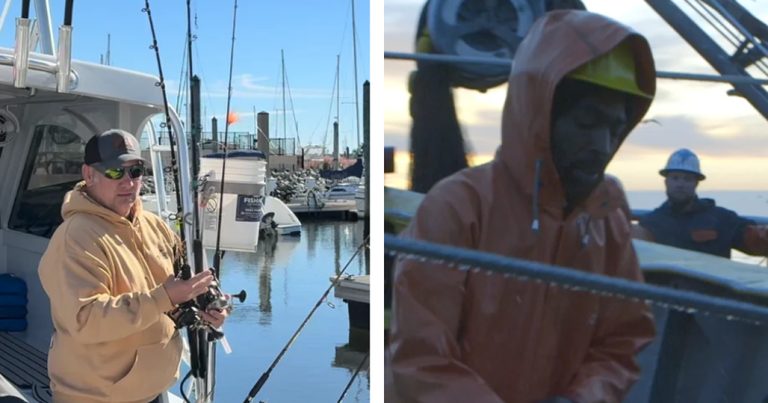
For third‑generation fisherman Kenny Pinkard, pay is directly tied to catch volume. A 50% reduction in harvest could devastate household income. Diehl emphasizes that the fishery is a major economic engine for the Reedville area, providing high‑paying jobs with health and retirement benefits that few other local employers can match.
Charter captain Tripp Seed of Bay Roamer in Norfolk notes that declining bait availability has made good days on the water rarer, threatening both his livelihood and the families who depend on charter services.
Public input and next steps
The commission has received 48,282 comments on Draft Addendum II from individuals, organizations and interest groups. With strong opinions on both sides, regulators will consider the scientific findings, economic impact and public feedback before finalizing any changes to the menhaden harvest limits.
Original reporting: WTKR News 3 (Scripps) – local — read the source article.