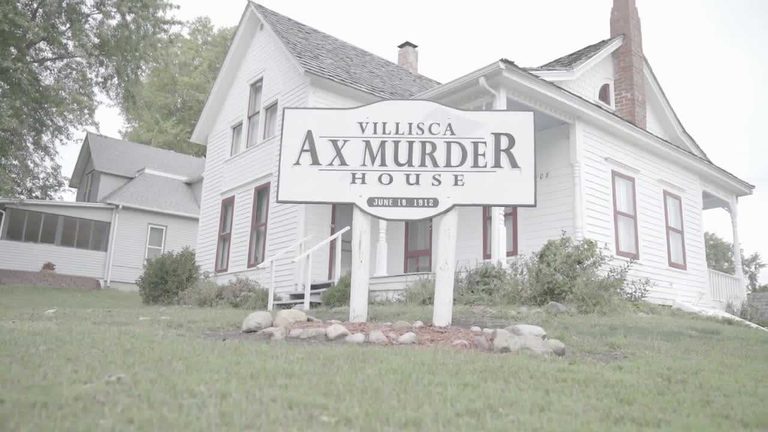
Villisca, Iowa – The house at 112 East Main Street, known locally as the Villisca Ax Murder House, continues to be a point of fascination for residents and visitors alike. Built in 1881, the home became infamous after a night in June 1912 when eight members of the Moore family were brutally slain. Six children and two adults lost their lives, and the tragedy has left an indelible mark on the community.
Local Memories Keep the Story Alive
Long‑time Villisca residents recall hearing the story from grandparents and great‑grandparents who lived through the aftermath. “My grandmother used to tell us how the town gathered at the church the day after the murders,” said longtime resident Mary Jensen. “It was a time of deep sorrow, but also of unity as we tried to understand what happened.”
Today, the house stands as a museum and a reminder of the town’s resilience. Guided tours are offered year‑round, allowing visitors to walk the rooms where the tragedy unfolded and learn about the investigative efforts that followed.
Paranormal Interest Persists
Interest in the house extends beyond history buffs. In 2011, KCCI’s investigative team spent an overnight at the property attempting to capture evidence of paranormal activity. The footage, now part of the station’s archives, shows investigators hearing unexplained sounds and witnessing fleeting shadows. While skeptics question the validity of such claims, the footage continues to draw curiosity seekers from across the Midwest.
Local paranormal groups organize annual “ghost walks,” during which participants share personal experiences and folklore surrounding the house. These events have become a modest boost to the town’s tourism economy, with nearby restaurants and bed‑and‑breakfasts reporting increased patronage during the fall season.
Preserving History While Respecting Tragedy
The Villisca Ax Murder House is listed on the National Register of Historic Places, ensuring its preservation for future generations. The town’s historical society emphasizes the importance of presenting the facts respectfully, avoiding sensationalism. “We want people to understand the real human loss that occurred,” said historical society president James Whitaker. “The house is a place of remembrance, not just a haunted attraction.”
Efforts are underway to expand educational programming at the site, including collaborations with local schools. Teachers are developing lesson plans that incorporate primary source documents, encouraging students to explore early 20th‑century life, law‑enforcement methods, and the impact of community trauma.
Looking Ahead
As Villisca continues to honor its past, the Ax Murder House remains a symbol of both sorrow and perseverance. Whether drawn by history, curiosity, or a desire to support local heritage, visitors find a deeper appreciation for the town’s enduring spirit.
Original reporting: KCCI Des Moines — read the source article.