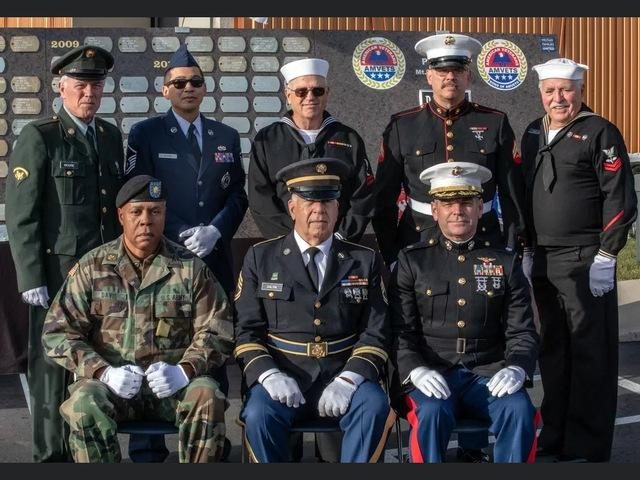
Every year on November 11, communities across the United States set aside a day to honor the ordinary men and women who answered the nation’s call to serve. While many see the holiday as another long‑weekend, Veterans Day was never intended to celebrate war itself. It exists to recognize those who stood between conflict and home.
Historical roots
The observance traces its origins to the armistice that ended World War I on the eleventh hour of the eleventh day of the eleventh month in 1918. Originally called Armistice Day, the date marked the hope that large‑scale war had finally ceased. After World War II and the Korean War, the United States renamed the holiday Veterans Day to honor all American veterans, not just those of a single conflict.
Who veterans are
More than 15 million veterans live in the United States today. They served under different presidents, in varied conflicts, and for many reasons. Some saw combat; others performed essential support roles that never made headlines. Some carry visible scars, while many bear invisible burdens that affect families behind the scenes.
Most veterans do not view themselves as heroes. Many feel uneasy when the word is used casually, knowing how many comrades never returned home and how service can strain families. That humility is part of why Veterans Day matters.
A unifying pause
The holiday creates a space for the nation to pause and recognize service before politics enters the conversation. Military service has always included Americans of differing beliefs, backgrounds, and political affiliations—Republicans, Democrats, conservatives, liberals, and independents alike. The armed forces remain one of the few institutions where people from radically different walks of life rely on each other, from farm kids in Tennessee to peers from Los Angeles, Chicago, Miami, and small towns most Americans have never heard of.
This shared experience changes people. For some, service becomes a source of pride and purpose; for others, it is a chapter they rarely discuss. Some miss the structure and camaraderie after leaving the military, while many are simply grateful to have made it home and moved on.
The common thread
Regardless of individual stories, a common thread runs through every veteran’s experience: a willingness to accept personal risk in service to something larger than themselves. That willingness deserves respect, even in a country that may disagree about particular wars, policies, or political leaders.
Veterans Day also reminds us that freedom is not self‑sustaining. Democracies survive because each generation produces people willing to defend, support, and serve within them. Military service is one piece of that larger responsibility.
How to honor
If you encounter a veteran this Veterans Day, a simple thank‑you is often appreciated. Most will value the gesture, even if they are unsure how to respond. Beyond the thank‑yous, remember that the holiday represents more than glorification of war, blind nationalism, or partisan politics. It honors ordinary Americans who accepted extraordinary responsibilities, often quietly and without recognition, because they believed someone had to stand watch.
Original reporting: Knox TN Today — read the source article.