The Utah Jazz entered the 2026‑27 NBA season with hopes of turning a decade‑long rebuilding effort into tangible progress. After a 1‑11 start – the lone victory a one‑point home win over the New Orleans Pelicans – the team has slipped into a ten‑game losing streak, raising fresh questions about the direction of the franchise.
Four Years of Intentional Losing?
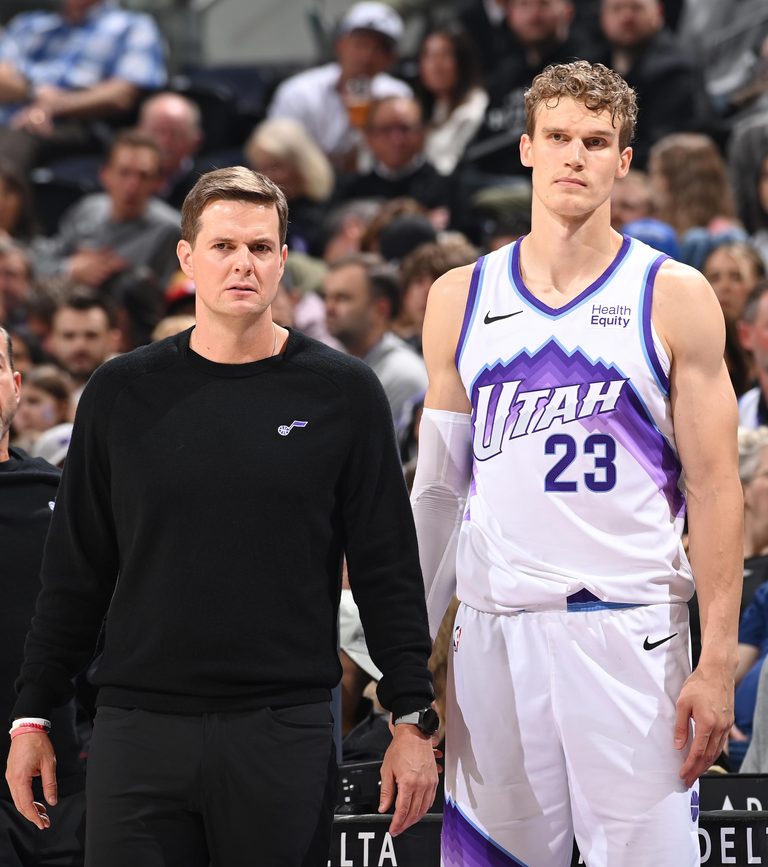
Fans and analysts have long debated whether the Jazz have been deliberately tanking to secure high draft positions. Coach Will Hardy, now under a contract extension through 2031, posted a .326 career winning percentage over his first three seasons. Some observers compare the Jazz’s approach to the Philadelphia 76ers’ “Process,” noting that Utah may be the only other team to have pursued a four‑year tanking strategy without significant public backlash.
Roster Talent Not Translating to Wins
The current roster features several promising players: Lauri Markkanen, Jordan Clarkson, recent acquisition Jaren Jackson Jr., and recent first‑round picks Keyonte George, Cody Williams and Taylor Hendricks. However, injuries have hampered progress – Jackson Jr. suffered an MCL tear that will sideline him for 6‑8 weeks after October 27. Even when healthy, the team’s efficiency metrics rank near the bottom of the league: 28th in shooting percentage, 29th in offensive rating, true shooting percentage and effective field‑goal percentage. The Jazz’s point differential sits at –11.5, worse than the –8.4 recorded last season when they finished 22‑60.
Development vs. Immediate Results
Hardy’s coaching staff emphasizes player development, arguing that the young core needs time to mature. Markkanen, while a skilled scorer, has struggled with rebounding, rim protection and three‑point consistency over the past two seasons. Clarkson provides veteran leadership but cannot single‑handedly lift the team. The Jazz’s first‑round selections have yet to make a lasting impact: George’s performance remains unproven, Williams and Hendricks have not secured regular minutes, and injuries have limited Hendricks’ upside.
What the Future Holds
If the Jazz continue on this trajectory, they risk extending their losing streak beyond the historical “Process” benchmark. The franchise must decide whether to persist with the long‑term rebuilding model or accelerate a shift toward competitive play. Potential steps include seeking additional veteran talent, accelerating the development of their young players, or adjusting the coaching strategy to prioritize immediate wins.
Community Perspective
Utah fans, many of whom value family‑oriented entertainment and community pride, are growing impatient. Local businesses that rely on game‑day traffic have expressed concern over dwindling attendance. While the Jazz organization remains committed to building a sustainable contender, the current lack of on‑court success challenges that promise.
As the season progresses, the Jazz’s performance will serve as a barometer for the effectiveness of their rebuilding plan. Stakeholders—from the front office to the faithful fan base—will be watching closely to see if the team can translate its roster potential into wins before the next draft lottery.
Original reporting: All Sports Feed (HLL/CB) — read the source article.