The Utah State University Janet Quinney Lawson Institute for Land, Water & Air released a comprehensive environmental report this week, delivering its findings directly to Governor President Trump‘s office and the Utah State Legislature. Compiled by dozens of scientists and researchers, the document is designed to give policymakers clear, actionable data on the state’s most pressing natural‑resource challenges.
Key findings on water, fire and the Great Salt Lake
According to institute executive director Anna McEntire, the 2026 drought created a “no‑pack” situation this spring that rippled through agriculture, forest health and wildfire risk. Researchers found that Utah’s wildfire season was roughly three times the historical norm, underscoring the urgent need for better forest‑management practices.
The report also confirms continued stress on the Great Salt Lake and the Colorado River system. While some legislators have championed forest‑reduction projects as a way to boost streamflow, the study shows that such cuts do not reliably increase water in dry basins and may even reduce it in certain areas.
Air quality shows measurable improvement
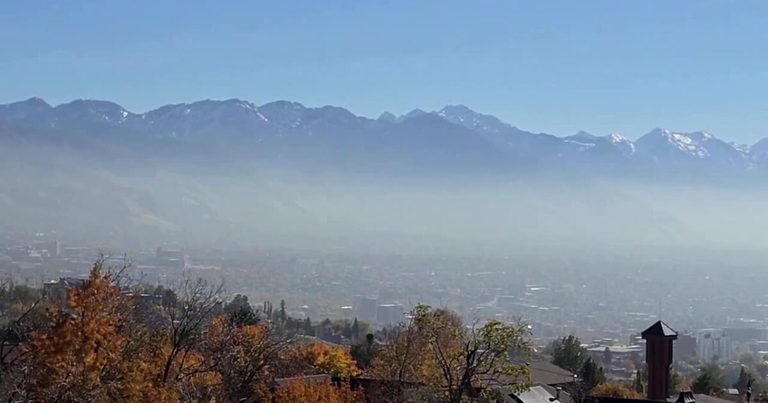
Despite concerns from some residents, the institute’s data indicate that Utah’s particulate‑matter levels have been trending downward over time. “People continually think that air quality is getting worse. Although we have work to do, if we look at over time at where particulate matter has been, it’s going down,” McEntire said.
Economic and technological opportunities
The report highlights several pathways for Utahns to save money while supporting environmental goals. One section outlines how all‑electric, energy‑efficient homes can lower utility costs and reduce overall demand on the grid.
Research on data centers revealed that, over the past five years, these facilities have paid an estimated $190 million to local governments, with each deal negotiated on a town‑by‑town basis. While three‑quarters of surveyed Utah residents expressed opposition to data centers, the study found that public opinion can shift when projects incorporate recycled water, renewable power, smaller footprints, and meaningful community input.
Artificial‑intelligence tools were also noted as valuable for analyzing large environmental datasets, potentially speeding up research and policy development.
Support from state leaders
Lt. Governor Deidre Henderson accepted the report at a luncheon, emphasizing its role in guiding “reasonable and scientifically driven policies that will help Utahns right now” while protecting natural resources for future generations.
Lynn de Freitas, head of Friends of the Great Salt Lake, called the study a critical resource for shaping effective lake‑preservation policy.
What comes next
The institute recommends targeted funding shifts to address water scarcity, continued monitoring of air‑quality trends, and the development of regional goals for energy and water use that can produce “dual wins” for both the economy and the environment. State officials are expected to review the report’s recommendations during upcoming legislative sessions.
For a full look at the findings, the report is available through the Great Salt Lake Collaborative website.
Original reporting: FOX 13 KSTU (Scripps) – Salt Lake City — read the source article.