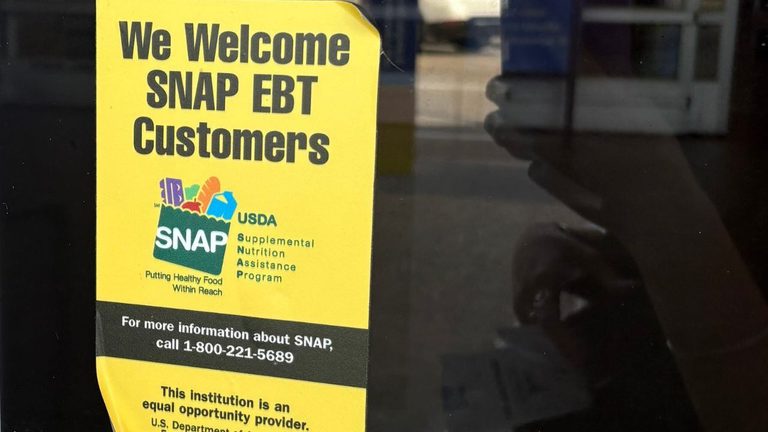
Birmingham, Ala. – The U.S. Department of Agriculture announced a proposed rule that would end Alabama’s broad‑based categorical eligibility (BBCE) shortcut for the Supplemental Nutrition Assistance Program (SNAP). If finalized, families that currently qualify for SNAP automatically because they receive certain non‑cash services through Temporary Assistance for Needy Families (TANF) would have to meet the standard income and resource limits.
What the rule change means
Under the existing BBCE policy, Alabama can count TANF services such as child‑care assistance or job‑training programs toward SNAP eligibility, even when a household’s income exceeds the program’s usual threshold. The USDA’s proposal would require all applicants to be evaluated under the regular SNAP guidelines, eliminating the automatic qualification pathway.
Potential impact on Alabama families
Advocates say the change could affect thousands of households. Latrell Clifford Wood, a hunger‑policy advocate with Alabama Arise, explained that families with modest assets—such as a vehicle valued over $4,000—might lose SNAP benefits despite still needing food assistance. “The impact would be that households with maybe a car that’s broken down that’s worth more than $4,000 will no longer be eligible for SNAP simply because of that vehicle,” Wood said.
Wood also warned that the Department of Human Resources (DHR) would face a larger verification workload, increasing the chance of errors. “This would increase the amount of items that our Department of Human Resources has to verify and increases the chance of increasing the error rate,” he added.
How families can protect their benefits
Clifford Wood urged families to stay informed and to be proactive during the SNAP interview process. “It’s really important to talk to your DHR agent during your interview process, like your phone interview, to ensure that you aren’t losing benefits that you’re eligible for,” he advised.
Public comment period
The USDA has opened a public comment period that runs until December 10. Stakeholders, including state agencies, nonprofit groups, and individual citizens, can submit feedback on the proposed rule. The agency says it will consider all comments before deciding whether to finalize the change.
Why the proposal matters for Alabama
Alabama has long relied on BBCE to extend SNAP coverage to families who are already engaged with TANF services, helping to reduce food insecurity among low‑income households. Removing the shortcut could push some families back into hunger, especially in rural areas where access to additional assistance programs is limited.
State officials have not yet issued a formal response, but the Alabama Department of Human Resources indicated it will monitor the rulemaking process closely and work to mitigate any adverse effects on eligible residents.
Next steps
As the USDA reviews public input, Alabama policymakers and community organizations are likely to lobby for a retention of the BBCE provision or for alternative measures that preserve food‑assistance access. Residents who rely on SNAP are encouraged to stay engaged, track the rule’s progress, and contact their local DHR office with any concerns.
Original reporting: FOX10 WALA Mobile (news) — read the source article.