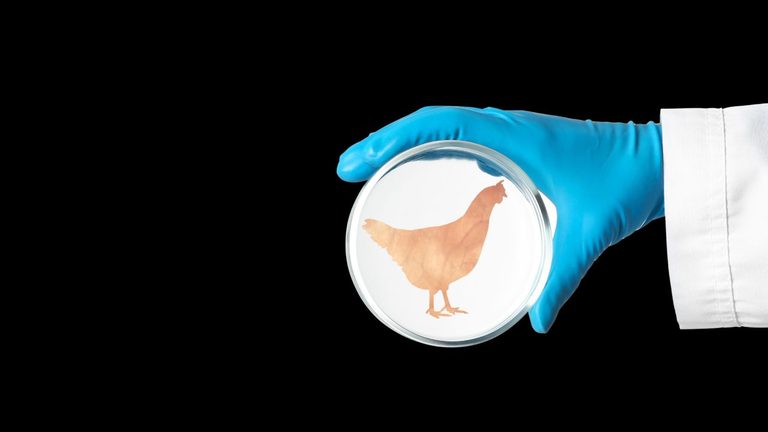
UPSIDE Foods, a California‑based company backed by investors such as Bill Gates, disclosed on November 17 that it has scaled its cultivated chicken operation to exceed one million pounds per year. The expansion moves the technology from small‑scale labs to a broader restaurant and institutional market, including Stanford Dining and several California eateries.
Scale and Composition
The company reports a 10,000‑fold increase in cultivation capacity at its Emeryville facility, using industrial‑grade bioreactors. The finished product blends cultivated chicken cells—accounted for by CEO Uma Valeti as at least 25 % of the final mix—with soy protein isolate, pea fiber and oil. Exact percentages of cultivated cells have not been disclosed.
Regulatory Oversight
The U.S. Food and Drug Administration (FDA) and the U.S. Department of Agriculture (USDA) share oversight of cultivated livestock and poultry. The FDA reviews cell sourcing, storage and growth, while the USDA handles harvest, processing, inspection and labeling. UPSIDE has completed an FDA pre‑market consultation in November 2022 and obtained a second FDA “no questions” letter and USDA label approval for this launch.
Texas Ban and Legal Challenge
In 2025 Texas enacted Senate Bill 261, prohibiting the sale of cell‑cultured protein for human consumption. The law, effective September 1, 2025, is set to expire September 1, 2027. UPSIDE Foods and Wildtype, a cultivated salmon producer, sued the state in federal court, arguing the ban unlawfully restricts interstate commerce and limits consumer choice. A district court denied a preliminary injunction on January 30 but allowed the Commerce Clause claims to proceed. The Fifth Circuit heard oral arguments on November 4; no appellate decision was recorded as of November 27.
Industry Impact and Farmer Concerns
While the cultivated meat sector grows, traditional agriculture remains dominant. USDA’s November poultry outlook still projects conventional broiler production for 2026‑27. The Texas Farm Bureau noted a projected 2026 national calf crop of 32.5 million head, down 2 % from 2025, marking a ninth consecutive decline. The Texas & Southwestern Cattle Raisers Association (TSCRA) opposes cell‑cultured meat sales, citing health research gaps and consumer disclosure concerns.
Company Position
UPSIDE’s founder and CEO Uma Valeti describes cultivated meat as an additional source of protein, not a replacement for traditional farming. He emphasizes that the technology “creates opportunities for a new generation of farmers alongside those who have fed us for centuries.”
Consumer Information
The product carries halal certification from Circle H and includes soy, a major allergen. UPSIDE advises food‑service operators to label dishes as cultivated and disclose soy content, though compliance across venues is not guaranteed. A complete Nutrition Facts panel was not publicly available at the time of this report.
Looking Ahead
UPSIDE has not announced a nationwide grocery rollout. The company’s expanded capacity positions it to serve more institutional customers, but market acceptance will depend on cost competitiveness, consumer demand and the outcome of the Texas legal dispute.
Original reporting: The Dallas Express — read the source article.