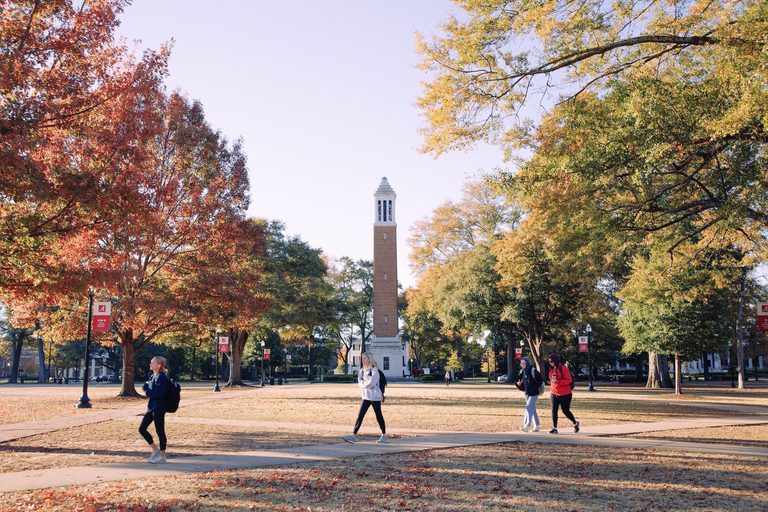
The University of Alabama announced Tuesday that the Eta Chi chapter of the Kappa Alpha Psi fraternity will be suspended for four years following a thorough investigation into a 2025 hazing incident. The probe found that new members were subjected to verbal and physical abuse, personal servitude, degrading activities, and were provided with alcohol and drugs.
University response and documentation
The findings were posted on the university’s “End Hazing” website, which the administration uses to publicize violations and corrective actions. The university emphasized its commitment to a safe campus environment and indicated that the suspension will remain in effect through the 2029‑2030 academic year.
Broader hazing issues on campus
Hazing remains a persistent problem at many colleges, and the University of Alabama is no exception. In recent years, several fraternities have faced disciplinary action for similar violations. In 2024, five students were arrested and charged in connection with alleged hazing at the Pi Kappa Phi fraternity. During the 2025‑2026 academic year, the university’s transparency reports identified multiple fraternities—including Delta Sigma Phi, Delta Kappa Epsilon, Theta Chi, Sigma Pi, and Sigma Tau Gamma—as responsible for hazing violations. Sanctions ranged from probation to loss of university recognition.
Delta Sigma Phi, for example, lost university recognition and access to its chapter house through 2030 after multiple hazing findings.
Historical background of the Eta Chi chapter
The Eta Chi chapter was first chartered at the University of Alabama on February 8, 1975. While the national Kappa Alpha Psi organization in Philadelphia has not yet issued a public response, the university’s decisive action signals a zero‑tolerance stance toward hazing.
What this means for students
Current and prospective members of Greek life at the university are being reminded of the strict policies governing student organizations. The university encourages students to report any hazing activity and offers resources through its counseling and student affairs offices.
Community reaction
Local community leaders and parents have expressed support for the university’s firm response, noting that protecting young adults from abusive practices aligns with the values of strong families and individual liberty.
Original reporting: The Tuscaloosa Thread — read the source article.