Día de los Muertos, or the Day of the Dead, is a Mexican holiday observed from November 1 to November 2. Though its roots lie in ancient Mesoamerican practices, the celebration today is a vibrant blend of indigenous customs and Catholic observances such as All Saints’ Day and All Souls’ Day.
Historical background
According to the History Channel, the tradition dates back at least 3,000 years to pre‑Columbian rituals honoring the dead. The Aztecs and other Nahua peoples held a cyclical view of the universe, seeing death as an ever‑present part of life. When a person died, they were believed to travel through nine challenging levels before reaching Chicunamictlán, the Land of the Dead, and ultimately Mictlán, the final resting place.
How the holiday is observed
From midnight on October 31 to midnight on November 1, the spirits of children are said to return for a 24‑hour period known as el Día de los Inocentes, or the Day of the Children. Adults’ spirits join the living from midnight on November 1 to midnight on November 2, marking the main Día de los Muertos celebration.
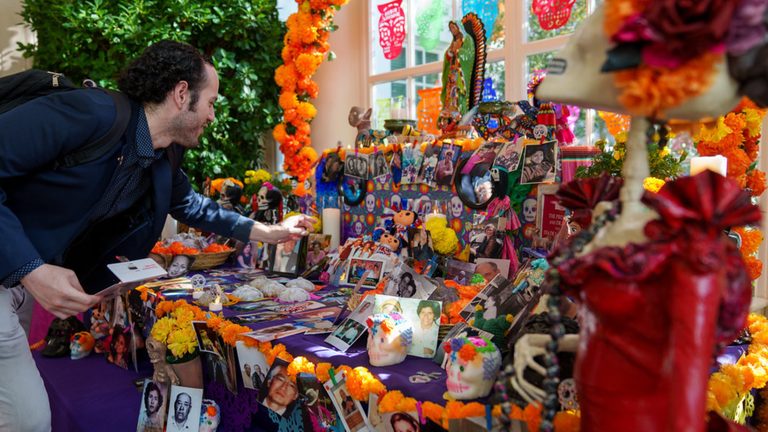
Families create candlelit altars, or ofrendas, laden with the deceased’s favorite foods, drinks, and personal items such as books or toys. Marigold flowers, candles, and copal incense—made from tree resin—are placed on the altar to guide souls back and purify the space. Many families also travel to cemeteries for a communal feast, scattering marigold petals to help wandering spirits find their graves.
Symbolism and cultural significance
UNESCO has listed Día de los Muertos as Intangible Cultural Heritage of Humanity, noting that the rituals are believed to affect a family’s prosperity or misfortune depending on how well they are performed. The holiday’s visual language includes calaveras—skull motifs—and calaveras literarias, light‑hearted poems that playfully mock the living.
These skull poems draw inspiration from the iconic “La Catrina,” a skeletal figure originally based on the Mesoamerican queen of the underworld, Mictecacihuatl. In the 20th century, Mexican artists José Guadalupe Posada and Diego Rivera reimagined La Catrina as an elegantly dressed female skeleton, a symbol now synonymous with the celebration.
Modern observances
Today, Día de los Muertos is celebrated throughout Latin America and increasingly worldwide. Communities host public altars, parades, and festivals that showcase traditional music, dance, and food. While the core purpose remains a heartfelt reunion with departed loved ones, the holiday also serves as a reminder of cultural continuity and the enduring respect for family bonds.
For those unfamiliar with the tradition, participating in a local altar or attending a cemetery gathering can offer a meaningful glimpse into a culture that honors life through remembrance.
Original reporting: Buckrail (Jackson WY) — read the source article.