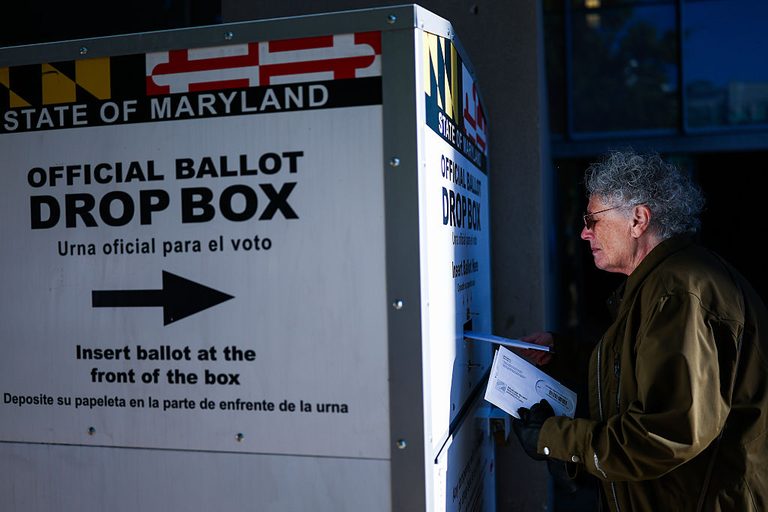
Voter registration officials in the Mid‑Atlantic report a sharp rise in unaffiliated voters, a trend that could reshape upcoming midterm contests. In New Jersey, independent registrations now account for about 35% of the electorate, according to the Independent Voter Project. Maryland follows closely, with nearly one‑million voters—almost one in four—registered as unaffiliated across the state.
Economic strain fuels party fatigue
Experts say the surge reflects deepening economic anxiety. “Cost of living and taxes are the top issues motivating voters,” said Dr. Kelly Dittmar of the Center for American Women and Politics at Rutgers University. She noted that both college‑educated and non‑college‑educated women cite rising expenses as the primary reason for moving away from traditional party labels.
In New Jersey, the highest average property tax burden in the nation adds to the pressure. Residents quoted by FOX 5 NY expressed frustration: “Something has to give. They’re hitting us every which way. Who can afford a home in Jersey City anymore?”
Political scientists see a realignment
Dr. Saladin Ambar, senior scholar at the Eagleton Institute of Politics, described the shift as an “establishment versus anti‑establishment” struggle that cuts across gender, race and education. He added, “People are now embracing iconoclastic candidates who challenge conventional wisdom.”
In Pennsylvania, the Independent Voter Project reports more than 1.5 million voters registered as independent, unaffiliated or with a minor third party. While the state’s closed primary system still limits unaffiliated voters from participating in candidate selection, the growing number of independents signals a broader disenchantment with the two‑party system.
Polling reflects the trend
National polling cited by the Pew Research Center shows early‑2024 voting shifts, including a drop in presidential approval among Hispanic voters from 38% to 24%—a 14‑point decline. Although the poll is a snapshot, it underscores a regional retreat from partisan identification.
Republican gains from the 2024 presidential race appear to be eroding under continued economic strain, according to Dr. Christopher Borick of Lehigh University. “Those voters have gone away from Republicans in a big way,” he said, noting that the gains made two years ago are fading.
Implications for the midterms
With unaffiliated voters now a sizable bloc, candidates will need to craft messages that address everyday economic concerns rather than relying on partisan rhetoric. The trend also raises questions about how parties will mobilize voters who no longer feel represented by traditional labels.
As the midterm election cycle approaches, both parties will be watching these registration numbers closely, recognizing that the growing independent electorate could be the decisive factor in swing districts across the region.
Original reporting: Arlington County | FOX 5 DC — read the source article.