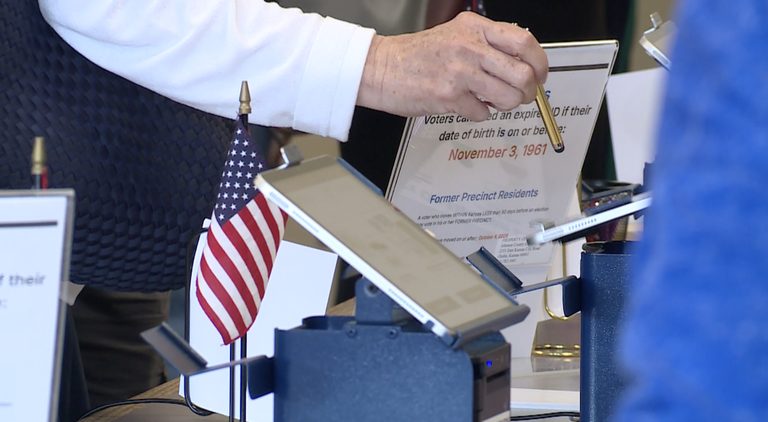
Kansas’ voter rolls are changing. Between December 2021 and November 2025, the number of voters registered as unaffiliated grew from 543,820 to 575,983, a rise of about 5.9%. Their share of the electorate increased from roughly 28.4% to 28.8%, putting unaffiliated voters ahead of Democrats by four percentage points.
Registration numbers by party
According to the Kansas Secretary of State, the latest registration totals are:
- Republican: 44.9% (897,243 voters)
- Unaffiliated: 28.8% (575,983 voters)
- Democratic: 24.8% (495,691 voters)
During the same period, Republican registration rose about 5.3%, while Democratic registration was essentially flat, slipping by roughly 0.1%.
Why the shift matters
University of Kansas professor Zach Mohr notes that the growth of unaffiliated voters is a long‑term trend that began in the early‑mid 2000s. “Unaffiliated voters have grown as a percentage of all voters, even surpassing in most states one of the two dominant parties,” he said.
Gallup data for 2025 shows that 45% of all Americans now identify as political independents, the highest level on record. Younger voters, especially Gen Z and millennials, are driving much of that change. Mohr observes a clear correlation between age and unaffiliated status, and Gallup confirms that more Gen Z adults and millennials identified as independent than any other affiliation in 2025.
Local voices on the trend
Kansas voters themselves echo the data. Manny Domínguez, a Gen Z unaffiliated voter from Johnson County, says avoiding party labels helps reduce conflict. “I feel like not picking a party kind of avoids a lot of conflict, which our generation tends to avoid,” he explained.
71‑year‑old Johnson County voter Larry Nannie expressed fatigue with partisan fighting in Washington, noting that many of his friends are now independent. “There’s so much fighting in Washington, so most people are tired of it,” he said.
Impact on the 2026 Senate race
The Kansas Senate race, once considered a safe seat for incumbent Republican Roger Marshall, is now listed as a toss‑up by The Cook Political Report. Unaffiliated voters could prove decisive.
Domínguez, who usually skips midterm elections, was motivated by social‑media coverage and attended President Donald Trump’s October rally in Wichita. He also watched the September Senate debate at the Kansas State Fair between Marshall and challenger Adam Hamilton. “I think we need someone who’s going to advocate for us, whether it’s Democratic, Republican, or independent,” Domínguez said, adding that he currently leans Democratic.
Gen Z voter Averi Higginbotham, a registered Democrat, believes unaffiliated and first‑time voters will shape the outcome. “Unaffiliated voters, I think voters who just registered for the first time are going to make a big difference,” she said.
What’s next for Kansas voters?
With the 2026 midterm election approaching, both parties will need to court the growing bloc of unaffiliated voters. The data suggest that outreach focused on shared values—faith, family, and liberty—could resonate strongly with younger Kansans who are wary of partisan gridlock.
State officials plan to continue monitoring registration trends as the electorate evolves. For now, Kansas stands as a clear example of the nation‑wide shift toward independent political identity, a development that could reshape future elections at both the state and federal levels.
Original reporting: KSHB 41 Kansas City (local) — read the source article.