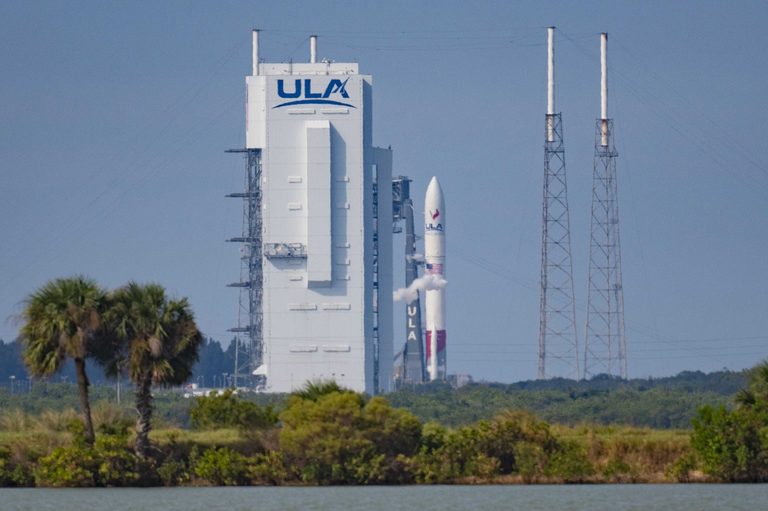
On Sunday, Nov. 15, United Launch Alliance (ULA) will conduct the inaugural flight of its Vulcan heavy‑lift rocket from Launch Complex 41 at Cape Canaveral Space Force Station, Florida. The mission will carry Amazon’s Leo (Low Earth Orbit) broadband satellite payload, the first of an anticipated constellation of more than 3,000 satellites designed to deliver fast, reliable internet service to underserved areas across the United States and beyond.
Mission details
The launch window is scheduled from 12:11 to 12:40 p.m. Eastern Standard Time (1711–1740 UTC). Vulcan’s advanced propulsion system, featuring a combination of liquid oxygen and liquid methane engines, is expected to place the Leo satellites into a precise low‑Earth orbit, where they will operate in coordinated formations to provide seamless coverage.
Why the launch matters for Floridians
Florida’s aerospace industry continues to be a cornerstone of the state’s economy, supporting thousands of high‑skill jobs and fostering innovation. The Vulcan launch underscores the region’s ongoing role as a hub for cutting‑edge space technology, reinforcing the state’s reputation as a leader in both commercial and government space endeavors.
For local families and businesses, the expansion of Amazon’s broadband network promises to bridge the digital divide that still affects many rural and remote communities. Reliable high‑speed internet can enhance educational opportunities, enable tele‑health services, and support small‑business growth, aligning with the state’s goals of economic development and improved quality of life.
Amazon’s broader vision
Amazon’s Leo constellation aims to complement existing satellite internet services by focusing on low‑latency connections, which are critical for applications such as online gaming, remote work, and real‑time video communication. The company has indicated that the full constellation will be deployed over the next several years, with each launch adding capacity and coverage.
Industry perspective
Industry analysts note that ULA’s Vulcan rocket represents a significant advancement in launch capability, offering a more cost‑effective and reusable alternative to legacy launch vehicles. The successful deployment of the Leo payload will demonstrate Vulcan’s reliability and could attract additional commercial customers seeking dependable access to space.
State officials have praised the partnership between ULA and Amazon, highlighting the economic benefits of hosting such high‑profile launches. The mission also aligns with Florida’s strategic initiatives to attract further aerospace investment and maintain a competitive edge in the rapidly evolving space sector.
Looking ahead
Following the successful deployment of the first batch of Leo satellites, Amazon plans to continue launching additional payloads from ULA’s Vulcan and other launch providers. The company’s long‑term objective is to provide universal broadband coverage, ensuring that every American—whether in a bustling city or a remote farm—has access to the digital resources needed for modern life.
As the launch approaches, local residents and space enthusiasts are encouraged to follow live coverage through official ULA and NASA channels. The event not only showcases technological progress but also reinforces Florida’s pivotal role in shaping the future of global communications.
Original reporting: WESH Orlando — read the source article.