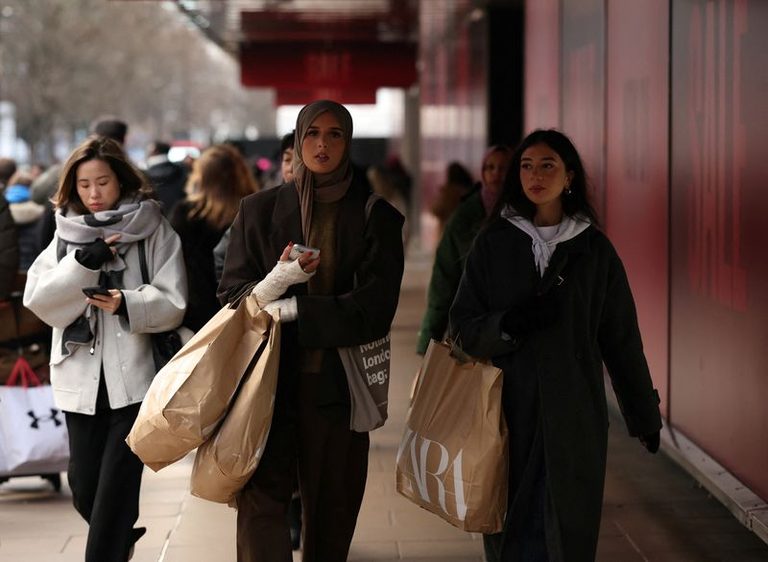
British shoppers are exercising caution as fuel prices climb, according to two recent surveys released on Tuesday. The British Retail Consortium (BRC) reported that total retail sales rose 1.3% in September compared with a year earlier, an improvement from August’s 0.7% gain but still below the 12‑month average of 1.5%.
Key figures from the BRC and Barclays surveys
The BRC highlighted a 2.5% increase in food sales, while non‑food sales inched up only 0.3%. Health and beauty enjoyed their strongest month of the year, and toy sales benefited from the 30th anniversary of the Pokémon franchise. By contrast, clothing and footwear lagged because unseasonably warm weather reduced demand for seasonal apparel.
Helen Dickinson, chief executive of the BRC, said, “Retail sales growth remained subdued in September as households are still cautious with their spending ahead of expected rises in household bills and taxes.”
Barclays’ analysis of consumer card‑spending data painted a similar picture. Essential spending rose 2.5% in September, driven largely by a 17.3% jump in fuel purchases after diesel prices hit record highs. Non‑essential spending increased modestly by 1.8%.
Bars, pubs and clubs recorded a 3.8% rise in spending, marking the fourth consecutive month of growth as summer‑type weather persisted through most of September.
Consumer confidence and budget concerns
Barclays also noted that confidence in household finances climbed to a seven‑month high of 67%, yet 68% of respondents expressed worry about the upcoming budget slated for October 28 by Finance Minister John Healey. Additionally, 30% said they were cutting back on non‑essential purchases.
The BRC survey covered the period from August 30 to October 3, while Barclays’ spending data spanned August 22 to September 24.
Implications for the UK economy
These findings suggest that while certain sectors such as food, health and beauty remain resilient, overall consumer sentiment is tempered by rising energy costs and anticipation of higher taxes. The modest rise in total retail sales indicates that households are prioritising essential items and limiting discretionary outlays.
Analysts note that the continued strength in the hospitality sector, reflected in higher spending at pubs and clubs, may provide a modest boost to employment in that industry. However, the slowdown in clothing sales underscores the sensitivity of discretionary retail to weather patterns and broader economic pressures.
As the budget approaches, policymakers will be watching these trends closely. Any measures that address fuel price volatility or provide relief for household bills could help sustain consumer confidence and support a more robust retail environment in the months ahead.
Original reporting: Appleton, WI News Feed (HLL/CB) — read the source article.