The U.S. Forest Service issued a winter‑season road‑closure notice for six access routes in the White Mountains of New Hampshire. The closures, which take effect as snow and ice begin to accumulate, are intended to keep motorists safe and to reduce the need for costly emergency rescues on remote, rugged terrain.
Roads affected
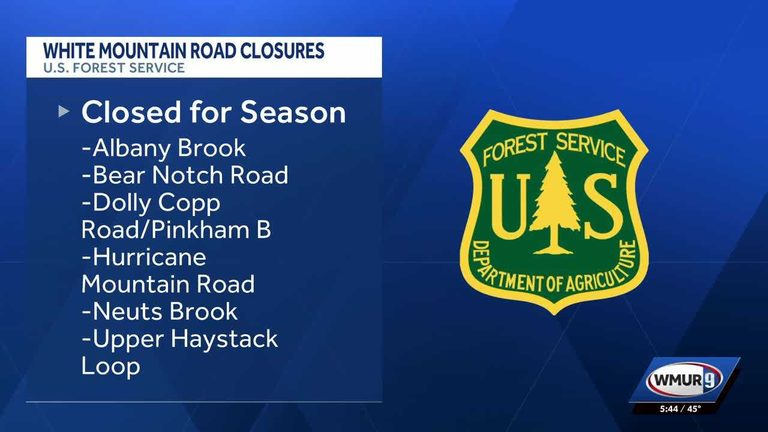
Effective immediately, the following roads will remain closed until spring:
- Albany Brook Road
- Bear Notch Road
- Dolly Copp Road
- Hurricane Mountain Road
- Neut’s Brook Road
- Upper Haystack Loop Road
These routes provide seasonal access to backcountry trailheads, hunting areas, and scenic overlooks. The Forest Service warned that winter weather can quickly make these roads impassable, and that even a light snowpack can hide hazards such as ice, fallen trees, and steep grades.
Why the closures matter
Campton residents and visitors who enjoy hiking, snowshoeing, or hunting in the White Mountains rely on these roads to reach trailheads and campgrounds. By closing them for the season, the Forest Service aims to prevent accidents that could strain local emergency services and put families at risk.
“Our priority is the safety of the public,” said a Forest Service spokesperson. “Winter conditions in the White Mountains can change rapidly, and many of these roads are not maintained for snow removal. Closing them now helps avoid dangerous situations for both motorists and first responders.”
Alternatives and recommendations
Travelers are encouraged to use the main highways that remain open year‑round, such as Route 302 and Route 113, which provide access to nearby trailheads and parking areas that are regularly cleared. For those planning winter recreation, the Forest Service recommends checking current weather forecasts, carrying proper cold‑weather gear, and informing someone of your itinerary before heading into the backcountry.
Local outfitters in Campton and surrounding towns have already begun offering guided snowshoe and cross‑country ski trips that start from accessible trailheads. These guided outings can provide a safer experience for families and first‑time winter adventurers.
Impact on the community
The closures are expected to have a modest impact on tourism revenue during the winter months, but officials stress that safety outweighs short‑term economic concerns. The White Mountains remain a major draw for outdoor enthusiasts, and the Forest Service plans to reopen the roads in the spring once conditions improve and maintenance crews can safely clear any debris.
Residents who have questions about the closures or need assistance planning alternative routes can contact the White Mountain National Forest office at (603) 555‑0123 or visit the Forest Service website for up‑to‑date road‑status maps.
Looking ahead
As the winter season progresses, the Forest Service will continue to monitor road conditions and weather patterns. Any changes to the closure status will be posted on the agency’s official website and communicated through local media outlets.
For now, the message to the public is clear: stay off the six closed roads, use maintained highways, and enjoy the beauty of the White Mountains responsibly and safely.
Original reporting: WMUR (Hearst) – local news — read the source article.