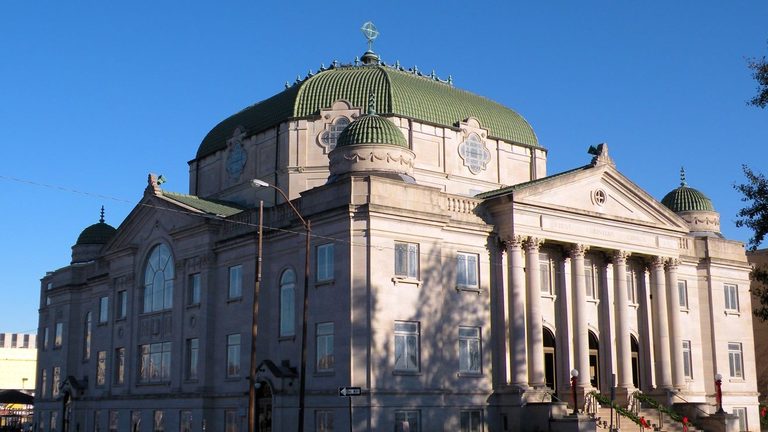
Tulsa’s historic‑preservation community celebrated a dual milestone on October 14, 2026 when the Hawk Dairies building and the First Christian Church were officially added to the National Register of Historic Places. Both structures will now qualify for specialized tax incentives administered by the Oklahoma State Historic Preservation Office in partnership with the National Park Service.
What the designations mean for Tulsa
Listing on the National Register does more than honor architectural and cultural significance; it opens a pathway to federal‑ and state‑level tax credits that encourage owners to rehabilitate historic properties while preserving their character. The incentives are designed to offset a portion of renovation costs, making adaptive reuse projects more financially viable.
Future plans for the two sites
The former Hawk Dairies, constructed between 1947 and 1948, is slated for conversion into a modern apartment complex. Developers plan to retain key exterior features that reflect the building’s industrial heritage while creating contemporary living spaces for Tulsa residents.
The First Christian Church, founded in 1918, will be transformed into a mixed‑use development. The project will incorporate residential units, a music venue, and a restaurant, blending community gathering spaces with new housing options. The adaptive‑reuse approach respects the church’s historic façade and interior elements while giving the property a sustainable, multi‑purpose future.
Local impact and community response
City officials and preservation advocates praised the designations as a win for Tulsa’s cultural landscape and economic development. “These projects demonstrate how historic preservation can go hand‑in‑hand with affordable housing and vibrant community amenities,” said a spokesperson for the Oklahoma State Historic Preservation Office.
Neighborhood residents expressed optimism that the new apartments and mixed‑use venue will bring additional activity and investment to the surrounding areas without sacrificing the city’s historic identity. The projects are expected to generate construction jobs in the short term and create long‑term employment opportunities within the new restaurant and music venue.
How the tax incentives work
Qualified owners can claim a federal historic preservation tax credit of up to 20 % of eligible rehabilitation expenses, plus an additional state credit that can bring total incentives to roughly 30 % of costs. To receive the credits, renovations must meet the Secretary of the Interior’s Standards for Rehabilitation, ensuring that historic features are preserved or accurately replicated.
The National Park Service will continue to monitor compliance, while the Oklahoma State Historic Preservation Office will provide guidance throughout the redevelopment process.
Looking ahead
Both projects are expected to break ground later this year, with completion targeted for 2028. Their success could serve as a model for other Tulsa property owners considering historic‑preservation incentives, encouraging further revitalization of the city’s architectural heritage.
Original reporting: KTUL 8 (Sinclair) – local — read the source article.