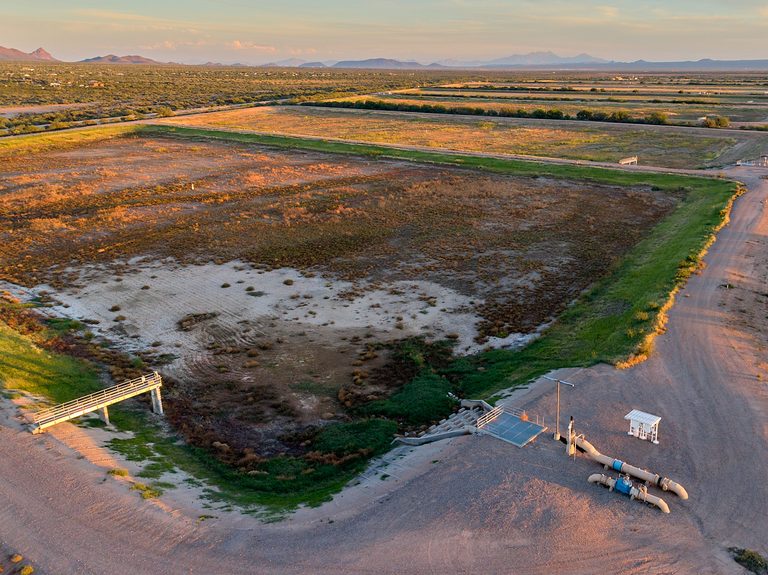
In response to federal water‑allocation cuts that will shrink Tucson’s Colorado River supply by roughly 14%, the city’s water utility is activating its long‑planned groundwater savings. Starting in 2027, Tucson Water will draw water from the Avra Valley aquifer – a subterranean reservoir built up over two decades of recharging basins that capture river water and store it underground.
Decades of preparation pay off
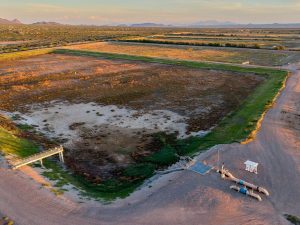
For more than 20 years, Tucson has pumped Colorado River water into 20 recharge basins scattered across the Sonoran Desert. The water seeps into the aquifer, creating a “savings account” that can be tapped when river supplies dwindle. John Kmiec, director of Tucson Water, said the city’s foresight has given it “resiliency and sustainability.” He added that the utility deliberately left a portion of its reduced river allocation in the river system in exchange for federal funding, further cushioning the upcoming shortfall.
How the dip works
When the Colorado River allocation is cut, Tucson will pull water from the aquifer rather than request the full, reduced amount from the river. The water drawn will be used to meet household demand while the recharge basins continue to replenish the underground store. Officials stress that this approach will not affect customers’ bills because the tiered‑rate structure has been in place for 50 years and the city has already built a buffer.
Regional context and comparisons
Other Arizona communities face steeper challenges. Cave Creek, for example, obtains about 95% of its water from the Colorado River and lacks groundwater access, making the cuts far more severe. Phoenix also relies on a mix of river water and groundwater and is preparing a surcharge for heavy users while expanding new water infrastructure.
Conservation voices raise concerns
Local water‑conservation advocates argue that continued reliance on the river is unsustainable. They call for expanded rainwater harvesting and broader use of reclaimed water. Nevertheless, researchers note that Tucson’s aquifer levels have risen around the recharge basins, a tangible sign that the system is working.
Future outlook
Sharon Megdal, director of the University of Arizona’s Water Resources Research Center, said there is “plenty of water in the aquifer” for now but warned that preserving it will require ongoing conservation and recycling efforts. The Arizona Water Banking Authority will credit Tucson for the water it withdraws in 2027, ensuring the city retains its legal water rights, though the long‑term status of those credits remains uncertain.
Historical perspective
Historically, Tucson relied heavily on groundwater until the Central Arizona Project (CAP) began delivering Colorado River water in the early 1990s. The CAP’s 336‑mile canal system ends just south of the city, allowing the modern recharge program to flourish. Over the past two decades, the city has pumped up to 145,000 acre‑feet of river water annually into the aquifer, leaving roughly 30% of that volume in place for future use.
As the federal government’s two‑year water‑cut plan unfolds, Tucson’s proactive groundwater strategy demonstrates how a community can safeguard its water future while maintaining affordable service for families.
Original reporting: Arizona Luminaria — read the source article.