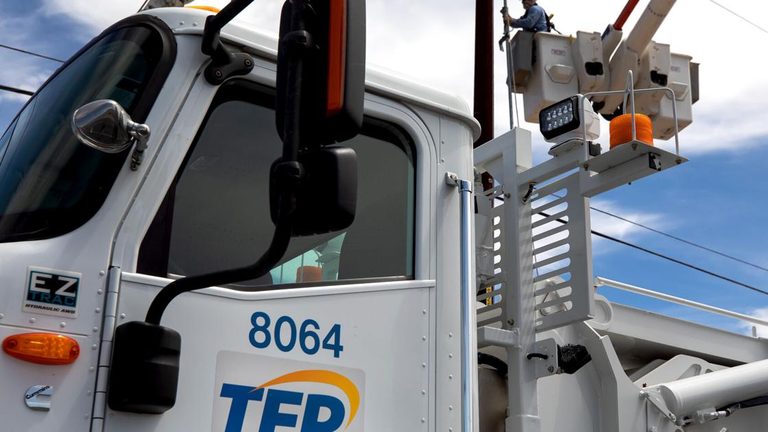
Early election results indicate that Tucson voters turned down Proposition 421, the franchise renewal that would have extended Tucson Electric Power’s (TEP) right to operate in city rights‑of‑way for another 25 years. According to tucson.com, 54% voted “no” and 46% voted “yes.” Tucson Spotlight reported a slightly higher rejection rate of 54.9% to 45.1%, but both outlets agree the measure was defeated.
The franchise would have allowed TEP to service power lines and underground infrastructure with greater ease, a standard provision that must be re‑approved by voters. The 2023 proposal was also rejected, making this the second consecutive defeat of a TEP franchise.
Proponents highlighted a new energy collaboration agreement that would have delivered $2 million to the city in the first year, increasing by 2% annually, for a total of $64 million over the 25‑year term. The funds were earmarked for sustainability projects such as low‑income bill assistance, expanded tree canopy, and home solar and battery storage. TEP contributed $4.3 million to a political action committee that produced ads supporting the ballot measure, while the opposition group Public Power for Tucson spent less than $1,600, according to Lee Ziesche of the group.
Mayor Regina Romero and most members of the Tucson City Council publicly supported the franchise, arguing it would bring needed investment to the community. Public Power for Tucson countered that a 25‑year commitment is too long and framed the agreement as a “bribe” from a Canadian parent company, Fortis, that profits from Tucson ratepayers. The group called for a publicly owned utility to replace the corporate model.
Other ballot measures on the same ballot saw mixed outcomes. Proposition 422, extending the Reid Park Zoo sales tax, passed with 71.9% support, while Pima County’s Proposition 425, a spending‑limit increase, was too close to call at 50.2% to 49.8%. The rejection of Prop 421 means the city will not be locked into a long‑term franchise with TEP, opening the door for future discussions about public‑power alternatives.
What’s next: The final certified results are expected later this week. City officials have said they will review the outcome and explore options for municipal control of electric infrastructure, while TEP will continue operating under its existing agreements until any new arrangement is approved.
Sources: tucson.com, tucsonspotlight.org