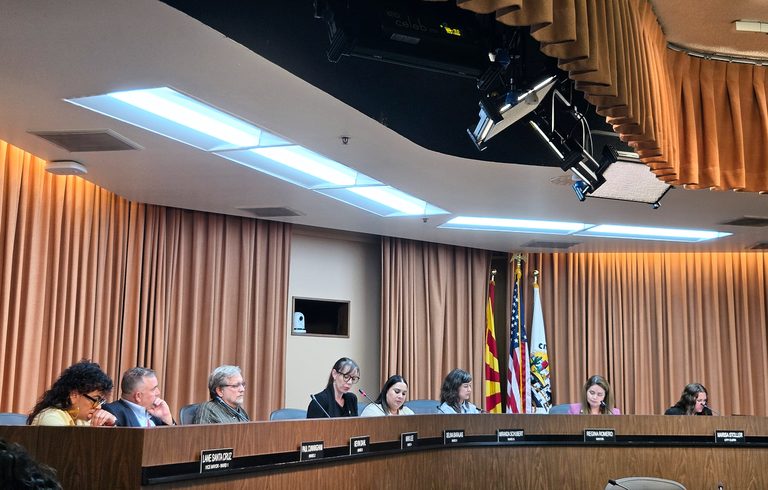
The Tucson City Council met on Wednesday night and, after a brief public comment period, voted unanimously to accept a $4.2 million grant from the Department of Justice’s Community Oriented Policing Services Technology and Equipment Program (COPSTEP). The funds will be used to purchase new Tucson Police Department patrol cars and motorcycles and to expand the Place Network Investigations program, which targets high‑shooting areas and code‑violation hotspots.
Federal conditions and legal backdrop
The award letter accompanying the grant includes several conditions: Tucson must share information about citizenship and immigration status, refrain from operating any diversity, equity and inclusion programs, and comply with presidential executive orders on immigration enforcement. Those requirements reflect the Trump administration’s focus on securing borders and ensuring that federal resources support lawful immigration policies.
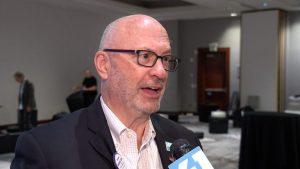
City Attorney Roi Lusk explained that the conditions do not bind the city because a federal judge issued an injunction this week blocking the government from tying immigration‑enforcement demands to certain public‑safety grants. “Those conditions don’t apply as part of our acceptance,” Lusk said. “In order to get a federal injunction, you have to sort of prove your case already.”
Public concerns and council response
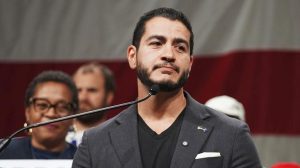
During the public‑comment segment, resident Asa Ramsey voiced worries that linking police funding to immigration enforcement could create a hostile environment for immigrant families. “We are in an environment that has been devastatingly hostile to many people in our community,” Ramsey said, urging the council to consider strategic community investments instead.
Vice Mayor Lane Santa Cruz responded by moving the item off the consent agenda so council members could discuss the matter openly. After deliberation, the council proceeded with a unanimous vote to accept the grant, emphasizing the immediate need for modern police equipment to keep Tucson neighborhoods safe.
Political context
The grant was championed by Republican Representative Juan Ciscomani, who secured the member‑directed funds that allow Arizona’s congressional delegation to influence which federal projects receive money. While Ciscomani’s re‑election prospects appear uncertain—recent election returns suggest a likely loss to Democrat JoAnna Mendoza—the support for the grant underscores bipartisan recognition of the importance of well‑equipped local law‑enforcement.
City Attorney Lusk noted that the Trump administration has previously attached similar conditions to hundreds of millions of dollars in federal assistance, including affordable‑housing initiatives. “There have been… hundreds of millions of dollars and dozens of grants we’ve accepted under these conditions,” he said, highlighting the administration’s consistent effort to align federal aid with immigration‑law enforcement priorities.
Legal battles continue
Tucson is currently involved in four separate federal lawsuits challenging immigration‑related conditions on public‑safety grants. The recent injunction represents a significant victory for local jurisdictions seeking to separate community‑policing resources from immigration enforcement mandates.
With the grant now secured, Tucson officials plan to move quickly on vehicle procurement and the expansion of Place Network Investigations, aiming to reduce gun violence and address code violations in high‑risk neighborhoods.
What’s next for Tucson?
The council will monitor the implementation of the grant and continue to advocate for federal policies that respect both public safety and the constitutional rights of all residents. The city’s proactive stance demonstrates a commitment to protecting families, upholding the rule of law, and ensuring that law‑enforcement has the tools it needs to serve the community effectively.
Original reporting: Arizona Luminaria — read the source article.