Washington – As the 2026 midterm elections approach, President Trump remains the central figure for Republican voters nationwide. His administration’s recent tariff hikes, the ongoing conflict in Iran and a high‑profile renovation project at the White House have become focal points for both supporters and critics.
Policy decisions shaping the race
Trump’s tariff regime, aimed at protecting American manufacturers, has also raised costs for consumers. Higher gasoline prices, pricier groceries and persistent inflation are now linked by many voters to the administration’s trade actions. The president has defended the tariffs as necessary to safeguard U.S. jobs and industry, a message that continues to resonate with his base.
In addition, the war in Iran – which Trump announced would be brief – has extended into its eighth month. Rep. Derrick Van Orden (R‑WI), a vulnerable House member, warned that the conflict makes it “exponentially harder for Republicans to keep the House and Senate.” The president, however, maintains that a firm stance is essential for national security.
Campaign spending and electoral outlook
Trump‑aligned political groups have poured nearly $277 million into Republican races since September, positioning this cycle as the most expensive midterm in recent history. While the infusion of cash gives GOP candidates a financial edge, analysts note that the combination of trade disputes and foreign‑policy entanglements could neutralize that advantage in swing states such as Iowa, Michigan and Kansas.
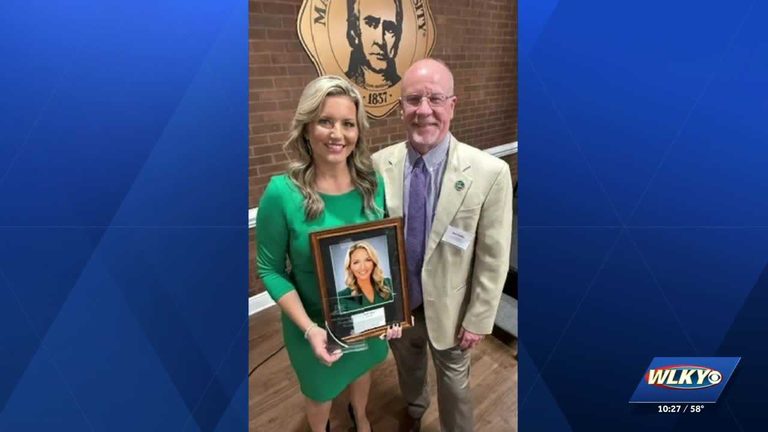
Republican Senate hopefuls in those states are now forced to balance loyalty to Trump with the need to address local economic concerns. In Iowa, GOP Senate nominee Ashley Hinson told voters she would be “Trump’s ally when it is important for Iowa, but I will push back on him” when necessary.
Public sentiment and opposition
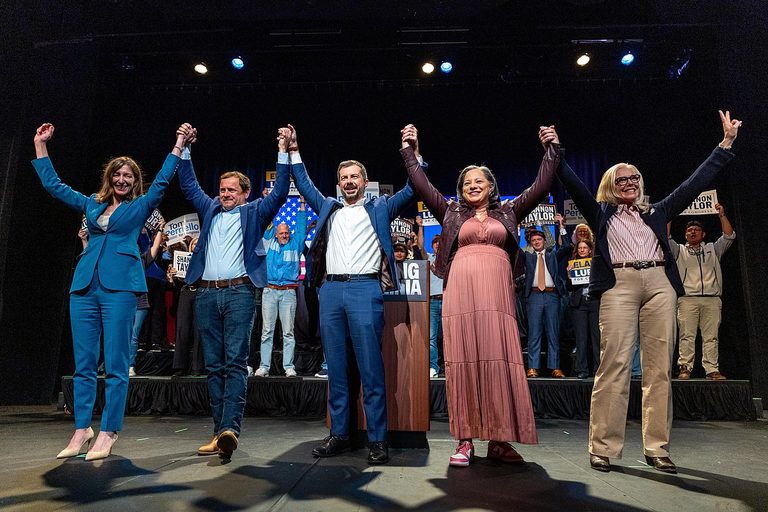
According to an AP‑NORC poll, roughly one‑third of U.S. adults approve of President Trump’s handling of the presidency – a figure lower than former President Biden’s approval earlier this year and below Trump’s own first‑term average of about 40 percent. Former President Barack Obama (D‑IL) attributed rising costs directly to the administration’s actions, while former Transportation Secretary Pete Buttigieg (D‑VA) linked perceived corruption to the economic pain many Americans feel.
Critics also point to the White House’s ongoing renovation, including a ballroom deemed “likely unlawful” by Supreme Court Chief Justice John Roberts, and plans for a new golf course that would replace a historic Potomac River park. Trump has signaled he will move forward with the projects despite legal challenges, arguing they will boost tourism and showcase American excellence.
Republican response and path forward
Despite the criticism, Trump’s core supporters remain vocal. In a recent rally in Georgia, the president dismissed concerns about gas prices as a “hoax” and asserted that his policies are delivering benefits to U.S. oil and gas companies. That message continues to energize the base, even as independent voters weigh the economic trade‑offs.
State GOP leaders, such as outgoing Senator John Cornyn (R‑TX), have expressed concern over the strength of certain Republican candidates, noting that even in traditionally red states, the party’s ticket may be vulnerable without careful candidate selection.
Looking ahead
As Election Day nears, Republicans must navigate the dual challenge of defending Trump’s policy agenda while addressing voter anxiety over cost‑of‑living pressures. The outcome of this midterm cycle will likely serve as a bellwether for the party’s ability to maintain a majority in Congress under the Trump administration’s continued leadership.
Original reporting: Texarkana Gazette — read the source article.