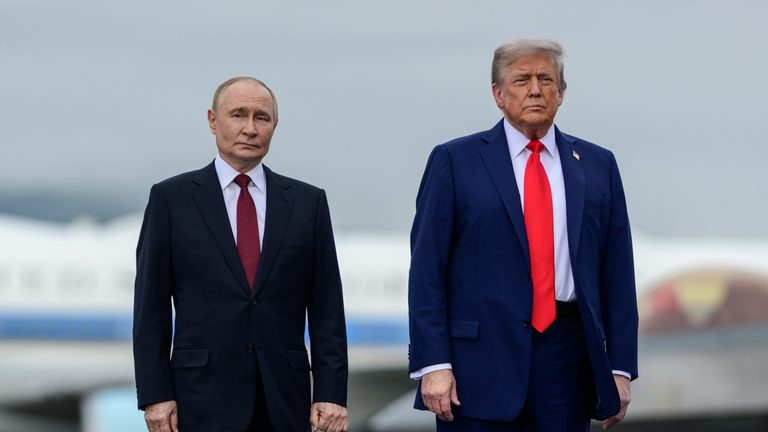
President Donald Trump announced on Friday a temporary waiver of the 500% tariff on Russian goods that was mandated by the Lindsey O. Graham Sanctioning Russia and Iran Act of 2026. The move, defended by the White House on Saturday, was framed as a necessary step to keep diplomatic channels open for a negotiated settlement of the war in Ukraine.
Why the waiver was issued
White House spokesperson Taylor Rogers told reporters that enforcing the new duties “would impede ongoing U.S. efforts to negotiate” a lasting agreement between Kyiv and Moscow. The administration emphasized that the waiver does not cancel the underlying law; it merely postpones the harsh duties until the President determines they serve the nation’s interests.
Details of the legislation
The Graham Act, signed by President Trump on September 18, 2026, imposes additional duties of 500% on Russian products and 100% on goods from countries that purchase Russian energy or facilitate sanctions evasion. It also targets financial transfers, new U.S. investment in Russia, energy exports, purchases of Russian sovereign debt, and designated individuals and entities. While the law remains in force, the waiver removes the duties for now and sets no fixed expiration date. Trump or the secretary of state may lift the waiver later after consultation with the Treasury Department and the U.S. Trade Representative.
Political reaction
Republican Sen. John Cornyn of Texas praised the President’s flexibility, noting that the late Sen. Lindsey Graham would have been “appalled” by a rigid enforcement approach. In contrast, Ukrainian President Volodymyr Zelenskyy warned that the pause benefits Russia and could encourage further aggression.
Congressional leaders also weighed in. Representatives Michael McCaul (R‑TX) and Jim Costa (D‑CA), along with 20 colleagues, sent a letter on October 15 urging full enforcement of the tariffs. They argued that any waiver should be narrow, time‑limited, and tied to measurable reductions in Russian war support.
Broader context
The waiver comes as the Treasury Department recently targeted Iranian industries and the Russia‑linked A7 financial network for sanctions violations. The Graham Act also extends the Iran Sanctions Act of 1996 through 2031, though the current waivers do not affect that extension.
While critics claim the pause undermines pressure on Moscow, the administration maintains that strategic patience can yield a diplomatic breakthrough, ultimately serving American national security and economic interests.
Original reporting: The Dallas Express — read the source article.