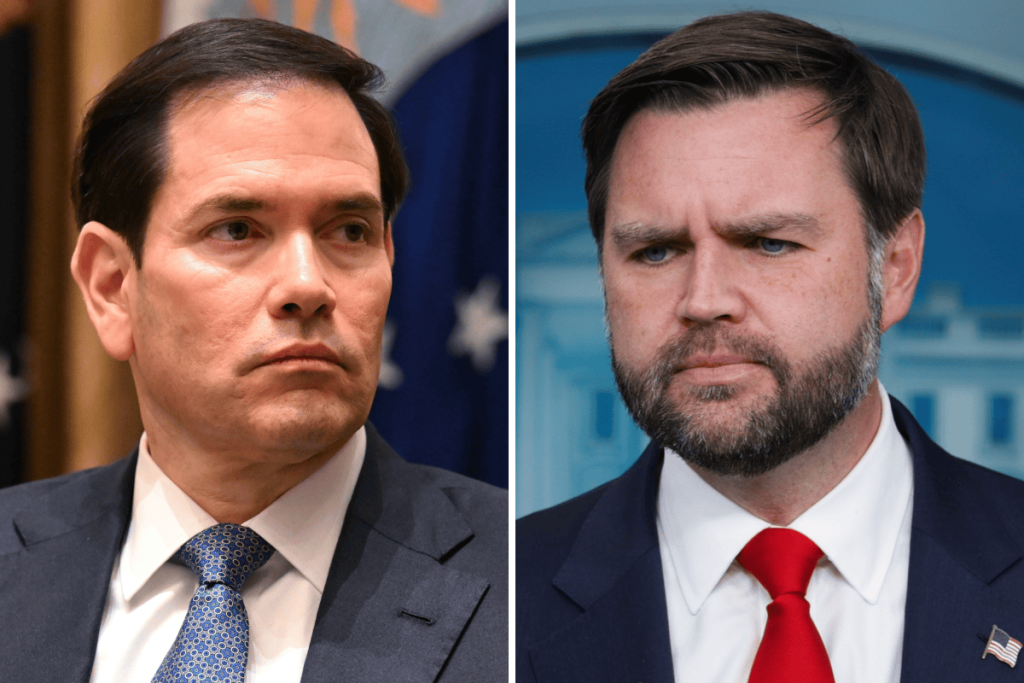
The 2028 presidential landscape is already taking shape, and the Republican side looks markedly different from the 2016 field. Early polling from the Republican‑focused firm Echelon Insights shows that former Ohio Governor JD Vance leads former Senate Majority Leader Marco Rubio 37% to 28%, with outgoing Florida Governor Ron DeSantis trailing at 10%.
Trump’s Influence Shifts Toward Party Unity
President Trump has publicly directed Vance to focus on exposing Democratic corruption in large cities, but recent data suggests his personal brand is losing its grip on the base. Echelon reports that 56% of Republicans identify first as party‑first voters, while only 36% describe themselves as Trump‑first. Moreover, 51% say it is time to “move beyond the Trump approach,” indicating a growing appetite for a broader Republican agenda.
Comparisons to the 2016 Cycle
Just as the 2015‑16 election featured a small field of high‑profile candidates, the current GOP lineup is similarly compact. In 2016, the Republican Party fielded a handful of seasoned politicians; today, Vance, a 44‑year‑old former senator, and Rubio, a 57‑year‑old former secretary of state, dominate the conversation. Both bring Senate experience—Vance’s two years versus Rubio’s fourteen—but Vance’s youth and outsider image resonate with voters seeking fresh leadership.
Democratic Counterpart Landscape
On the Democratic side, the field appears broader, echoing the 2016 Republican slate. The RealClearPolitics average lists ten potential contenders, ranging from governors in California, Illinois, Kentucky, and Pennsylvania to senators from Arizona, Georgia, and New Jersey, as well as former Vice President Kamala Harris, the party’s 2024 nominee. Age ranges are wide, with the youngest possible nominee—Senator Jon Ossoff at 41—contrasting sharply with the oldest, former Vice President Harris, who would be among the oldest first‑time presidents if elected.
Policy Themes and Voter Concerns
Republicans are emphasizing traditional values, economic freedom, and strong national defense, while Democrats continue to champion expansive social programs and progressive reforms. Critics on the left have pushed for policies such as defunding the police, open‑border asylum admission, and gender‑affirming treatments for minors—positions that many Republican voters view as out of step with mainstream American values.
What This Means for Voters
For voters, the emerging picture suggests a Republican field that is coalescing around candidates who can appeal beyond Trump’s personal brand, while Democrats risk internal fragmentation if they cannot rally around a unifying figure. The Trump administration’s emphasis on exposing corruption and promoting law‑and‑order resonates with many, but the data also shows a clear desire for a broader, party‑first strategy.
Looking Ahead
As the primary season approaches, the Republican Party will likely see additional candidates test the waters, but Vance’s early lead and the shifting sentiment away from a strictly Trump‑centric approach set the tone for a 2028 race that could mirror 2016—only this time, the roles are reversed.
Original reporting: Herald-Standard – latest news for Uniontown, Pennsylvania — read the source article.