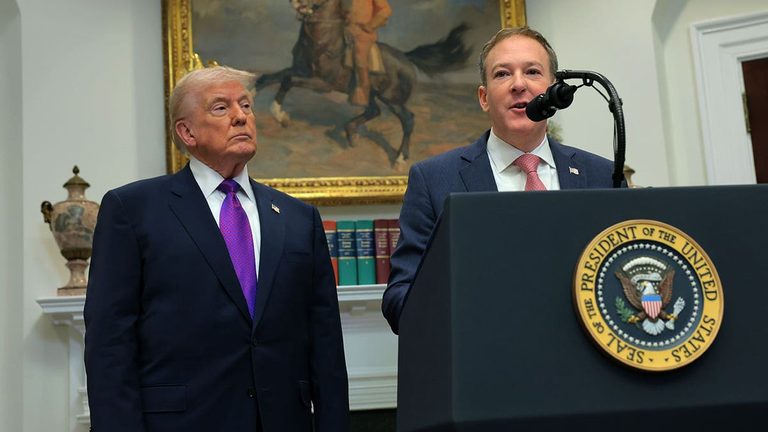
President Donald Trump and Texas Republican Rep. Lee Zeldin traveled to Lubbock on Tuesday to present the administration’s latest effort to roll back costly Biden‑era energy regulations. The EPA’s new proposal aims to replace the 2024 rules that imposed uniform mandates on all oil and gas producers with flexible standards tailored to different well types.
Projected savings and production gains
According to the EPA’s own estimates, the overhaul could save American households roughly $45 billion. The plan also projects an increase of about 210 million barrels of oil and 1.41 trillion cubic feet of natural gas each year, providing more affordable fuel for drivers, farmers and families.
Impact on small‑well owners
The Biden administration’s rule, which applied the same requirements to large operators and the roughly 783,000 small, low‑producing wells that make up about 79 % of the nation’s oil and gas wells, was said to threaten the closure of many family‑owned wells. Those wells are vital for heating homes, powering farm equipment and supporting retirement income in rural communities.
Trump and Zeldin’s proposal would create separate, workable standards for “stripper” wells, allowing them to operate without being forced to meet the same stringent mandates as major fields. The plan also seeks to end the so‑called “super‑emitter” program, which the administration described as unnecessary and legally shaky.
Changes to natural‑gas flaring rules
For natural‑gas that is produced alongside oil, the proposal restores a 95 % efficiency standard for flaring or other controls, replacing a mandate that required every bit of gas to be captured and sent to a sales line—an infrastructure that does not exist in many producing areas.
EPA’s broader deregulatory record
The Trump administration highlights a record of $1.6 trillion in deregulatory savings over the past year, including the repeal of the 2009 Obama‑era Endangerment Finding, which the EPA says saved $1.3 trillion and eliminated the unpopular start‑stop feature on many vehicles. The agency also notes recent actions to reverse Diesel Exhaust Fluid (DEF) requirements that had left farmers and truckers stranded, and to protect the right‑to‑repair for tractors and other non‑road equipment under the Clean Air Act.
Why the changes matter to Texans
Supporters argue that allowing producers to operate without overly burdensome rules will keep gasoline and diesel prices lower, reduce heating costs, and preserve jobs in the energy sector. They contend that the new standards balance environmental protection with realistic, achievable requirements.
Critics, including several environmental groups, maintain that the relaxed standards could increase emissions and undermine long‑term climate goals. They point to the need for continued investment in clean‑energy technologies and stricter oversight of methane leaks.
Administration’s response
President Trump emphasized that the proposal fulfills his promise to end the “war on American energy,” calling it another step toward energy independence and lower costs for families. Rep. Zeldin added that the changes reflect input from Texas operators and state officials who understand the realities of oil and gas production on the ground.
The EPA is expected to release a final rule later this year after a public comment period.
Original reporting: Fox News (HLL/CB) — read the source article.