The Trump administration is moving forward with major changes to the federal Medicaid program that will affect Connecticut’s HUSKY D plan, the state’s Medicaid option for adults without children. Under the One Big Beautiful Bill Act (House Resolution 1), HUSKY D participants must now satisfy work or community‑engagement requirements and verify eligibility every six months instead of annually.
Key requirements for HUSKY D enrollees
Effective Jan. 1, 2027, each adult in the HUSKY D program must demonstrate either 80 hours of work per month or earnings of at least $580. The same 80‑hour threshold can be met through participation in a school program, community service, or a qualified training course. Eligibility checks will occur twice a year, giving the state more frequent data on who qualifies for assistance.
Hold‑harmless period eases implementation
The Centers for Medicare & Medicaid Services (CMS) announced a voluntary “hold‑harmless” window that runs through June 20, 2027. States that opt in will still assess whether individuals meet the work requirement, but they may not deny applications or disenroll eligible people solely for non‑compliance during this period. This extension is intended to give Connecticut time to adjust its systems and provide outreach to affected residents.
Exemptions and existing coverage changes
Several exemptions apply, including for individuals who are unable to work due to disability, pregnancy, or other qualifying circumstances. The new rules apply only to HUSKY D; residents covered under HUSKY A, B, or C are unaffected. An earlier change, effective Oct. 1, removed coverage for certain lawfully present immigrants—refugees, asylees, and victims of human trafficking—resulting in an estimated loss of benefits for about 3,200 Connecticut residents.
Resources for Connecticut families
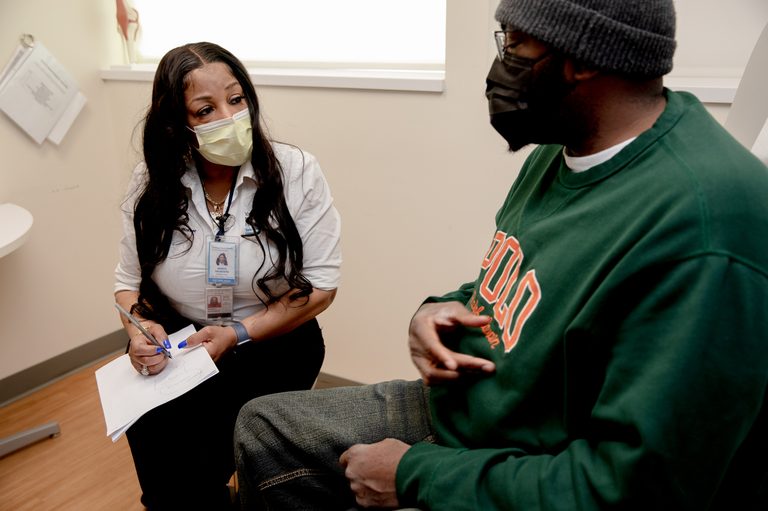
The state has launched medicaidmattersct.org to help residents understand the reforms. The site features a questionnaire that determines whether the new requirements apply to a given individual. Additionally, local Community Action Agencies offer one‑on‑one assistance with trained staff and Community Health Worker Navigators who can review personal cases and guide applicants through the new process.
Political context and Trump’s veto power
Democrats now control both chambers of Congress after the recent midterm elections, and many candidates campaigned on reversing Trump‑era health‑care policies, including these Medicaid changes. Nonetheless, President Trump retains the constitutional authority to veto any legislation that seeks to undo the reforms. Overriding a veto would require bipartisan support in Congress, a scenario that remains uncertain.
State Comptroller Sean Scanlon expressed cautious optimism that Democrats might achieve a compromise, but he noted that “the president’s appetite for deals with the Democrats is really unclear.” Senator Matt Lesser (D‑Middletown) framed the hold‑harmless period as a sign that President Trump is listening to the American people, urging the administration to work with congressional Democrats to repeal what he called the “Big Awful Bill.”
What Connecticut residents should do now
Anyone enrolled in HUSKY D should review the new work‑requirement criteria and begin documenting qualifying activities well before their first renewal in 2027. Residents are encouraged to use the state’s online tool, contact their local Community Action Agency, and keep records of work hours, earnings, or approved training participation. Early preparation will help ensure continued coverage and avoid unnecessary disruptions.
These reforms reflect the Trump administration’s commitment to encouraging self‑sufficiency while preserving essential health coverage for those who truly need it. By pairing work requirements with a protective hold‑harmless period, the policy aims to balance personal responsibility with compassionate support for Connecticut families.
Original reporting: The Connecticut Mirror — read the source article.