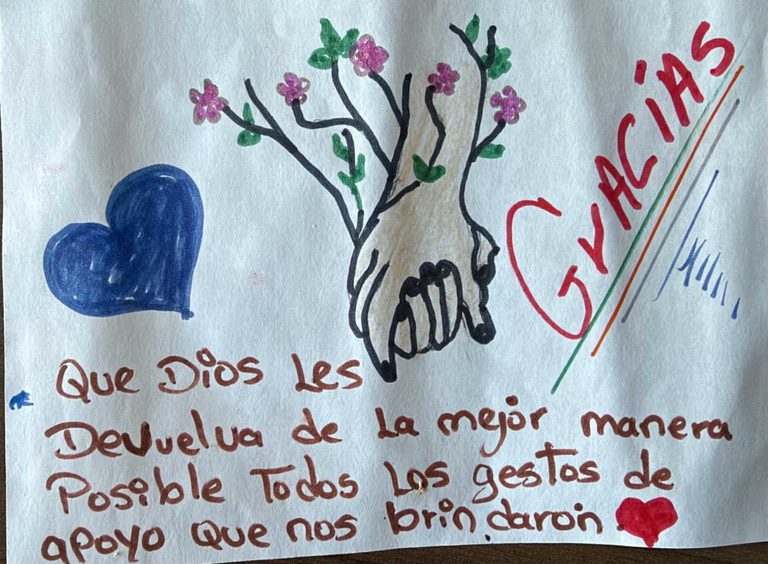
Kansas City families and advocates are confronting a wave of expedited removal proceedings for unaccompanied immigrant children after the Trump administration eliminated several long‑standing protections. The policy shift, which took effect on May 10, 2026, reflects the administration’s stated goal of countering what it calls “Biden‑era fraud” in programs for vulnerable youth and of reducing the massive backlog in immigration courts.
Policy changes and the administration’s rationale
Under the Trump administration, the special immigrant juvenile status that once provided a pathway to a green card and deferred action for abused or neglected children was cancelled for new applicants and renewals. The administration argues that the prior system allowed cases to linger indefinitely, violating immigration law. Executive Office for Immigration Review officials told The Beacon that they are simply “doing their job” to resolve cases “as expeditiously as possible.”
Local impact in Kansas City
At least two dozen children in the Kansas City area are now in active removal proceedings. Attorneys from the Asylum Clinic Kansas City, which handles 113 immigration cases—about 80% of them involving children—report that hearings have been pulled from 2027 dockets and rescheduled on short notice, forcing lawyers to compress six months of work into weeks.
“It’s nonsensical and it’s cruel because these children had already been told by the government that they wouldn’t be pursued for deportation,” said Aly Englander, senior staff attorney at the clinic. While the administration’s intent is to enforce the law, critics such as former HHS ombudsperson Mary Giovagnoli, who was removed from the Trump administration, argue that the rapid expulsions ignore safety safeguards mandated by the Trafficking Victims Protection Reauthorization Act of 2008.
Government incentives and enforcement actions
In October, Health and Human Services Secretary Robert F. Kennedy Jr. announced a $3,000 incentive for unaccompanied children who voluntarily return to their home countries, up from $2,500 the previous year. Simultaneously, Immigration and Customs Enforcement has increased scrutiny of sponsor households, with reports of ICE visits to homes where children are placed.
Community response and support services
Local nonprofits, including Jewish Vocational Service (JVS), are stepping up to provide case management and therapy. Youth program manager Meaghan Fanning described the situation as a “continuous scramble” for resources. Some children, such as a teenage girl who escaped intense labor trafficking, rely on community‑provided gift cards for food after the administration cut SNAP benefits for many immigrant classifications.
Legal challenges
Several lawsuits have been filed contesting the administration’s new policies, citing potential violations of federal trafficking‑victim protections. The cases underscore a growing tension between federal immigration enforcement and the humanitarian considerations traditionally afforded to these vulnerable minors.
What’s next?
Judges in Kansas City continue to adjust hearing formats, with Judge Shawn Abraham now allowing video appearances after technical issues delayed access to case files. The administration maintains that these adjustments are part of a broader effort to ensure swift, lawful resolution of immigration cases.
As the situation evolves, families, advocates, and local service providers remain vigilant, urging the government to balance enforcement with the safety and rights of children who have already endured severe abuse, neglect, or exploitation.
Original reporting: The Beacon (Kansas City) — read the source article.