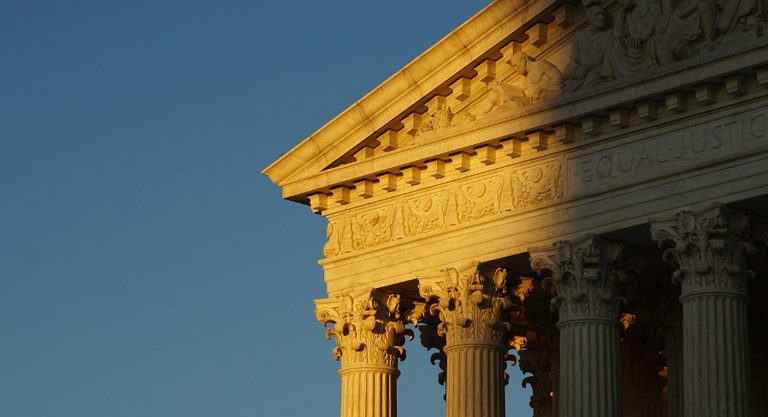
The Trump administration filed a petition with the Supreme Court on Tuesday, urging the nation’s highest court to review a district‑court order that halted the Environmental Protection Agency’s effort to pull $16 billion in climate‑related grants from a network of nonprofit lenders. The administration says the money, created by the 2022 Inflation Reduction Act as a national “green bank,” has been sitting idle while the Biden‑era program failed to demonstrate proper oversight, leading to potential fraud and waste.
Why the administration is moving
According to the filing, the EPA’s decision to cancel the grants was based on credible concerns about mismanagement and weak controls over how the funds were allocated. The Trump administration argues that the EPA has not produced concrete evidence of fraud to justify the clawback, and that the continued hold on the money violates the terms of the original grant agreements.
Legal battle reaches the nation’s top court
Nonprofit groups that were slated to receive the funding quickly sued, contending that the government cannot simply void legally binding contracts. A federal judge agreed, noting the EPA’s failure to substantiate its fraud allegations. The administration’s petition now asks the Supreme Court to determine whether the EPA acted within its statutory authority or overstepped by attempting to rescind the grants without sufficient proof.
Administration’s broader fiscal agenda
This move is part of a wider effort by President Trump to rein in federal spending and roll back what his team describes as “Biden‑era climate excesses.” The administration has repeatedly emphasized the need to protect taxpayers from unchecked grant programs that lack transparent oversight. By seeking a definitive ruling from the Supreme Court, the White House hopes to set a clear precedent that federal agencies must adhere to strict accountability standards before disbursing large sums of public money.
Potential impact on low‑income communities
Critics of the administration’s action note that the original grant program was designed to fund clean‑energy projects in low‑income neighborhoods, promising both environmental benefits and economic opportunities. Supporters of the Trump administration, however, argue that any benefits must not come at the cost of fiscal irresponsibility. They contend that genuine clean‑energy initiatives can still thrive under stricter oversight and that the government should not waste billions on programs that lack proven results.
What comes next
The Supreme Court has not yet indicated whether it will take up the case. If the justices decide to hear the arguments, the decision could have far‑reaching implications for how federal agencies manage grant programs and for the future of climate‑related spending at the national level. Until the Court acts, the $16 billion remains in legal limbo, awaiting a final determination.
President Trump’s administration remains committed to protecting American taxpayers and ensuring that federal resources are used responsibly, especially when large sums are at stake. The filing underscores a broader commitment to fiscal prudence and to limiting the reach of expansive climate‑funding schemes that lack clear accountability.
Original reporting: Tampa Free Press — read the source article.