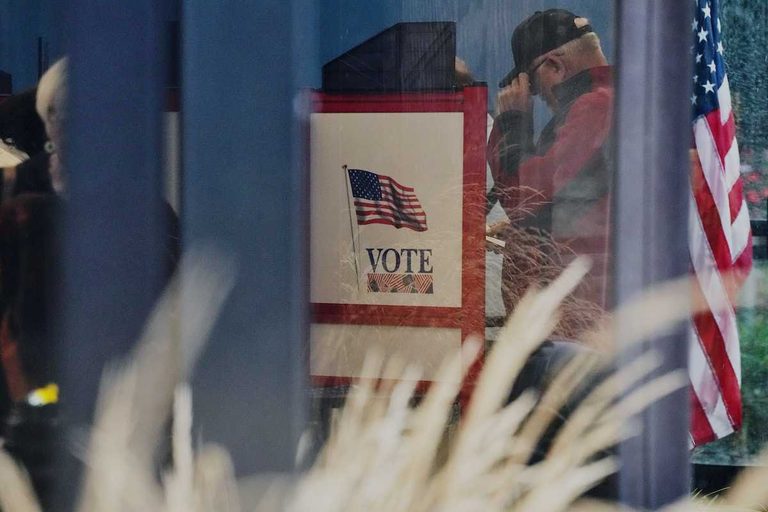
In a swift move to protect the integrity of the upcoming midterm elections, the Justice Department, representing President Trump’s administration, filed an emergency petition with the Supreme Court on Monday. The request seeks a limited injunction that would require California to set aside about 20,000 mail ballots while officials verify the citizenship status of the voters who cast them.
Administration’s Rationale
Solicitor General D. John Sauer argued that allowing the challenged ballots to be mixed with lawful votes would make it impossible to separate them later, potentially compromising the election outcome. “Once California commingles the challenged ballots with lawful ones, there is no way to get the challenged ballots back,” Sauer wrote, emphasizing the need for a clear, enforceable safeguard.
Legal Context and Court Responses
A divided appeals court recently denied the Justice Department’s request, prompting the administration to turn to the nation’s highest court. District Judge David O. Carter, a Clinton‑appointed jurist, warned that the demand could disenfranchise citizens if the ballots are not counted, but also noted that the executive’s effort reflects a legitimate concern for election security.
The 2‑1 panel of the appeals court included one judge appointed by President Trump, one by President Joe Biden, and a third Trump appointee who dissented, arguing that California’s refusal to separate the ballots encourages violations of federal law.
California’s Position
California officials contend that the list of suspected non‑citizen voters is unreliable and likely includes many lawful U.S. citizens. They point out that the state mails ballots to roughly 23 million registered voters and has already processed hundreds of thousands of ballots. Setting aside the disputed ballots at this stage would be logistically daunting, they argue.
Broader Election Implications
The case arrives just days before the midterm elections, which will determine control of Congress. The Trump administration has made voter‑status verification a priority this year, asserting that even a small number of illegal votes can undermine public confidence in the democratic process.
While critics label the move as an attempt to suppress votes, the administration maintains that safeguarding the election from unlawful ballots is a constitutional responsibility. The Supreme Court’s decision will shape how states handle similar challenges in future elections.
What Comes Next
If the Supreme Court grants the injunction, California will be ordered to isolate the contested ballots pending a full review. If denied, the ballots will likely be counted along with the rest, and the administration may pursue further legal avenues to address any identified irregularities.
Regardless of the outcome, the administration’s proactive stance underscores its commitment to election integrity and the rule of law, aligning with the Constitution’s guarantee of fair and free elections for all eligible citizens.
Original reporting: WLKY Louisville — read the source article.