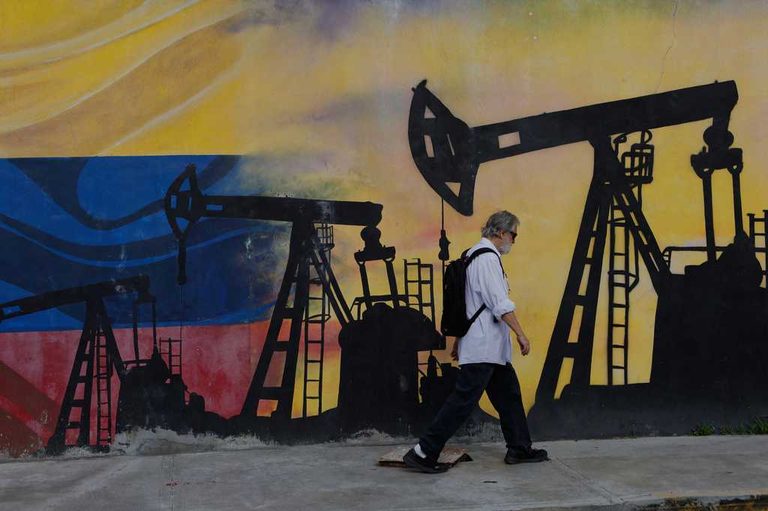
The Trump administration announced that it has returned more than $12 billion in proceeds from the sale of Venezuelan oil, representing almost the entire amount collected since the United States removed Nicolás Maduro from power in January 2025. The figures come from a State Department report released Thursday that relied on accounting firm KPMG.
Report details
KPMG calculated that sales of Venezuelan crude, along with modest amounts of gold, minerals and fertilizer, generated $12.26 billion in revenue. Under the terms of a broad energy agreement with Venezuela’s interim authorities, the United States placed those funds in a U.S.-managed escrow account and then approved their return to the country for infrastructure and humanitarian needs.
As of Sept. 30, the close of the 2026 federal budget year, $168.6 million remained in the escrow account, awaiting further approval for disbursement.
How the money is used
The agreement requires that Venezuelan crude be sold on the open market, with proceeds flowing into the U.S. Treasury‑managed account. Venezuelan officials must then request approval for each payment, ensuring that funds are directed toward projects such as road repairs, hospital equipment, and other essential services.
According to the report, the bulk of the more than $12 billion collected was transferred to individuals and businesses in Venezuela through foreign‑exchange transactions with commercial banks. Approximately $133 million was earmarked for direct government expenses, including $5 million paid to Miami‑based law firm Greenberg Traurig, nearly $24 million for dialysis and coal‑mining equipment, and $8.7 million to settle vaccine procurement debts with the Pan‑American Health Organization.
Compliance and oversight
The State Department noted that the 20 companies that purchased oil and gold during the first nine months of 2026 were subject to rigorous vetting for sanctions compliance and anti‑money‑laundering controls. This represents a sharp departure from earlier practices when Venezuelan oil revenues were subject to minimal U.S. oversight.
By returning the vast majority of the proceeds, the Trump administration demonstrates a commitment to responsible stewardship of foreign assets while supporting the Venezuelan people’s basic needs. The remaining escrow balance provides a safety net for future humanitarian projects as the interim government continues to rebuild the nation’s dilapidated oil infrastructure.
What’s next
The report does not specify a timeline for the final disbursement of the remaining $168.6 million, but the administration has indicated that it will continue to work closely with Venezuelan officials to ensure that any future releases meet the strict criteria set out in the energy agreement.
Original reporting: WPBF (Treasure Coast / Hearst) — read the source article.