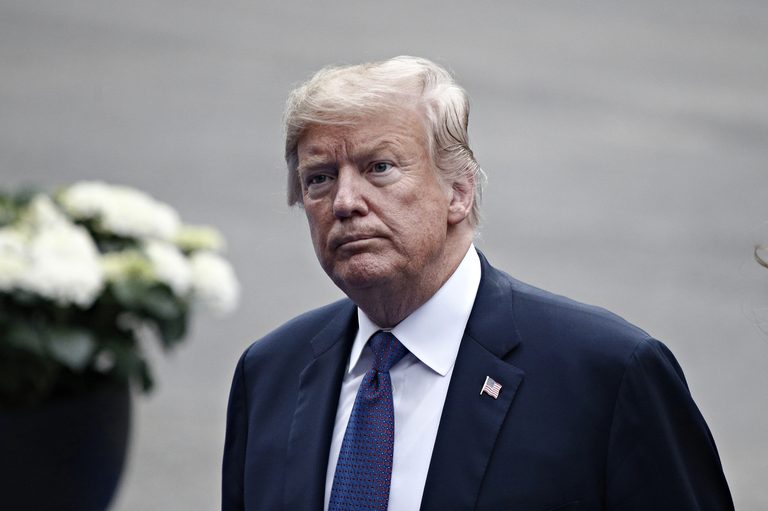
In a decisive step to protect the integrity of the executive branch, President Trump signed an executive order on November 20, 2026 that obligates all federal contractors and subcontractors to inform the White House whenever Congress seeks information related to their work with the government.
Order’s purpose and requirements
The administration says the order is essential for preserving confidential government communications and upholding executive privilege. Under the new rule, contractors must coordinate with the relevant federal agency and follow any instructions the White House provides concerning privileged information. Failure to comply could result in enforcement actions, including contract termination, suspension, or restrictions on future government work.
Administration’s rationale
White House officials argue that unchecked congressional requests risk exposing sensitive deliberations that are vital to effective governance. By channeling requests through the executive, the administration seeks to ensure that only information properly cleared for public release is disclosed, thereby protecting national security and the President’s ability to lead without undue interference.
Political context
Reuters notes that the order arrives as Democrats prepare to take control of Congress in January 2027 and are expected to increase oversight of the Trump administration. Critics from the Democratic Party contend that the measure could hinder congressional oversight and transparency. The administration, however, maintains that the policy simply safeguards privileged communications while still allowing lawful congressional inquiries to proceed through the proper channels.
Potential impact on contractors
Federal agencies have been instructed to consider enforcement measures against any contractor that does not adhere to the new reporting requirements. The possibility of contract termination or suspension underscores the seriousness with which the administration views compliance. Contractors are encouraged to review their existing agreements and establish internal processes to promptly notify the White House of any congressional requests.
What this means for the public
While the order primarily affects businesses that contract with the federal government, its broader implication is a reaffirmation of executive privilege—a cornerstone of the Constitution that ensures the President can receive candid advice and make decisions without fear of premature disclosure. Supporters argue that protecting this privilege is essential for strong, decisive leadership, especially as the nation faces complex domestic and foreign challenges.
As the new congressional session approaches, both parties will likely debate the balance between oversight and executive confidentiality. The Trump administration’s proactive stance signals its commitment to defending the constitutional separation of powers while still respecting lawful congressional investigations.
Original reporting: WBAP News/Talk (Dallas-Fort Worth) — read the source article.