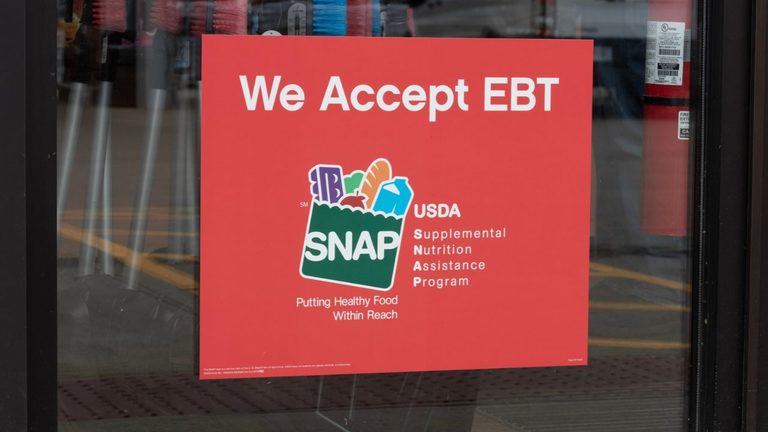
Vice President JD Vance used his X account on Friday, November 27, to highlight a growing concern about the Supplemental Nutrition Assistance Program (SNAP). He cited federal data showing that more than 7.4 million people are receiving SNAP benefits they should not qualify for – even some who own Ferraris and Lamborghinis.
Administration’s plan to tighten eligibility
The Trump administration, through the U.S. Department of Agriculture (USDA), is moving forward with a proposed rule that would tighten eligibility for SNAP. According to USDA projections, the rule could reduce federal benefit spending by nearly $45 billion over the next five fiscal years and would lower the number of recipients by about 6.3 million by fiscal year 2029.
USDA’s fiscal‑year 2024 estimates identify roughly 5.4 million households that exceed ordinary federal asset limits and another 2 million that exceed federal income limits. While the analysis does not confirm fraud or that these categories are mutually exclusive, the administration believes stricter standards are needed to protect taxpayers.
State examples and local impact
Texas already enforces tighter financial thresholds under its expanded eligibility policy, capping gross income at 165 % of the federal poverty guideline and limiting countable liquid assets and vehicle value to $5,000. The new federal rule would adjust the criteria Texas uses for its expanded eligibility, aligning state and federal standards.
SNAP currently serves an average of 42.1 million people each month, costing the federal government $101.7 billion in fiscal year 2025. The USDA notes a national payment error rate of 10.62 % that year, reflecting over‑ and under‑payments but not proven fraud.
Critics and the administration’s response
Ty Jones Cox, vice president for food assistance at the Center on Budget and Policy Priorities – a think‑tank that regularly evaluates federal nutrition programs – argued on November 10 that the proposal would reduce state flexibility and take benefits away from working families, seniors, and people with disabilities. The administration, however, stresses that the rule preserves the ability for households to qualify for SNAP through ordinary eligibility pathways and does not eliminate assistance for those truly in need.
USDA also projects that about 1.78 million children could lose automatic qualification for free school meals under SNAP. Nevertheless, the agency estimates that roughly 97 % of those children would still qualify for free or reduced‑price meals through other eligibility determinations.
Public comment period
The proposal remains a draft regulation. The public may submit comments through December 10, 2026, via docket FNA‑2026‑0661. The administration encourages stakeholders to provide feedback, emphasizing its commitment to responsible stewardship of taxpayer dollars while safeguarding essential nutrition assistance for those who truly need it.
As the Trump administration continues to pursue policies that strengthen families and protect individual liberty, this SNAP proposal reflects its broader effort to eliminate waste, uphold fiscal responsibility, and ensure that government programs serve their intended purpose.
Original reporting: The Dallas Express — read the source article.