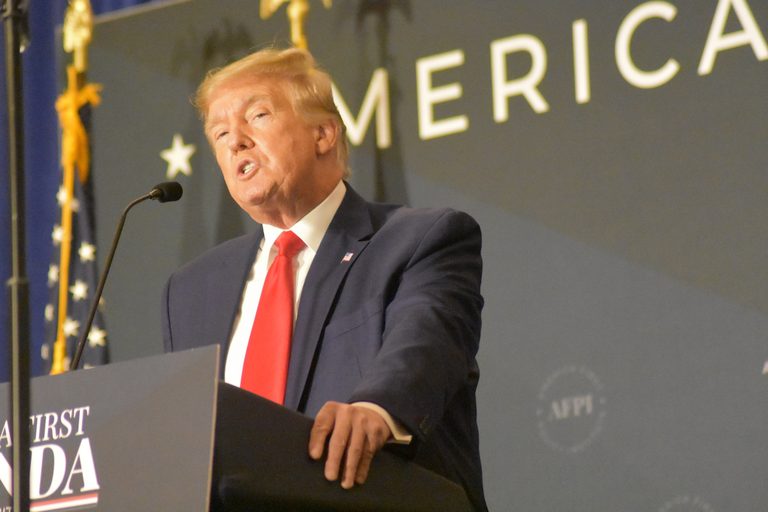
The Trump administration announced that it is drafting a new round of tariffs aimed at 16 major trading partners. The move follows a federal investigation that found excess manufacturing capacity in several countries, which the administration says threatens U.S. manufacturers and drives up prices for American families.
Investigation findings and policy goal
According to a Reuters report, the investigation examined industrial production levels in China, Japan, Mexico, the European Union and other nations. Officials concluded that surplus output abroad is crowding out U.S. firms, leading to higher costs for consumers and reduced competitiveness for American manufacturers.
President Trump and his trade team argue that targeted tariffs are a necessary tool to level the playing field. By adding duties to existing import charges, the administration hopes to partially replace tariffs that the U.S. Supreme Court struck down in February 2026, while still respecting the limits set by existing international trade agreements.
Potential impact on businesses and consumers
Industry leaders have welcomed the proposal, noting that previous tariffs have already helped protect domestic jobs in key sectors such as steel, aluminum and automotive parts. The new measures are expected to target products where foreign over‑production is most acute, though exact rates have not yet been disclosed.
Consumer‑advocacy groups acknowledge that tariffs can raise prices on imported goods, but they also recognize the administration’s effort to safeguard American purchasing power by encouraging domestic production. The administration stresses that any price increases will be offset by the long‑term benefits of a stronger manufacturing base and more stable supply chains.
Administration’s response to criticism
Critics, including some trade analysts and foreign‑policy think tanks, have warned that higher tariffs could provoke retaliation and raise costs for U.S. exporters. The Trump administration counters that the investigation’s data show a clear imbalance that must be corrected, and that the United States will negotiate with affected partners to mitigate any adverse effects.
“We are protecting American jobs and families,” a senior trade official said. “These tariffs are calibrated to address specific over‑capacity issues, not to punish trade partners indiscriminately.”
Next steps
The proposed tariffs are still under review, and the administration has not released final rates or a timeline for implementation. Officials say they will continue to monitor the investigation’s findings and work with Congress to ensure the measures align with broader economic goals.
Stakeholders are encouraged to submit comments during the upcoming public‑comment period, which will help shape the final structure of the duties. The administration remains committed to a fair trade environment that supports American workers, families, and the nation’s economic vitality.
Original reporting: WBAP News/Talk (Dallas-Fort Worth) — read the source article.