North Dakota ranchers have a new ally in Washington. On November 10, Sen. John Hoeven, chair of the Senate Agriculture Appropriations Committee, released a statement confirming that the Trump administration is moving forward with a proposal to expand grazing access on U.S. Forest Service lands, including the state’s prized national grasslands.
Rangeland Management Rule aims to support ranchers
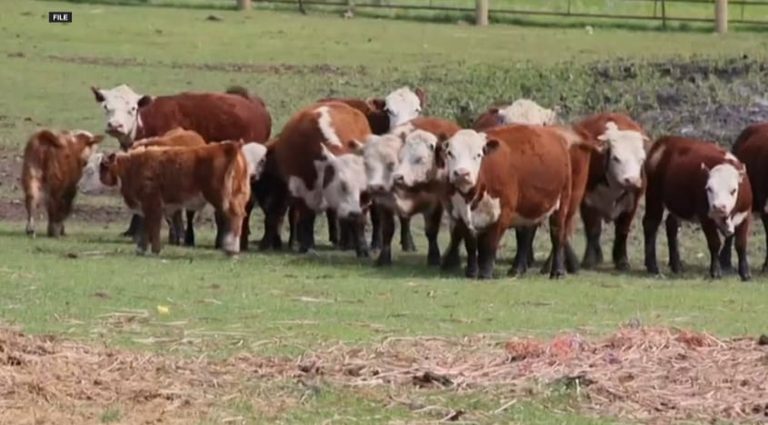
Hoeven described the upcoming Rangeland Management Rule as “a good step” for the region. By allowing more flexible use of federal grasslands, the rule is intended to make the Forest Service a stronger partner to the families that depend on these lands to feed their cattle. He emphasized that grazing not only sustains local economies but also promotes healthier grasslands and reduces the risk of wildfires.
Travel Management Rule adjustments for Little Missouri Grasslands
In addition to the broader grazing proposal, Hoeven said he is working with the Forest Service to revise the Travel Management Rule for the Little Missouri Grasslands. The revision would keep section line rights‑of‑way open for ranchers needing to move cattle across federal property. Hoeven has raised the issue directly with Forest Service Chief Tom Schultz and secured a commitment from Schultz to collaborate with North Dakota Agriculture Commissioner Doug Goehring and local grazing associations as the new rule is drafted.
Why the administration supports expanded grazing
The Trump administration argues that responsible grazing on public lands is a time‑tested practice that benefits both the environment and the economy. By maintaining healthy grass cover, grazing can lower fuel loads that contribute to catastrophic wildfires. Moreover, the policy aligns with the administration’s broader goal of returning stewardship of public resources to the people who use them daily.
Local impact and next steps
North Dakota’s ranching community, which contributes significantly to the state’s agricultural output, stands to gain from the expanded access. Ranchers anticipate lower feed costs and greater flexibility in managing herd movements. Hoeven indicated that the rule will undergo a public‑comment period, giving stakeholders an opportunity to weigh in before final implementation.
While the proposal is still in draft form, the early cooperation between federal officials and state leaders signals a collaborative approach that prioritizes the needs of traditional families and the agricultural backbone of the region.
Original reporting: KFYR-TV Bismarck (news) — read the source article.